


Introduction
If you’ve walked through a busy street, a bustling market, or any lively urban spot, chances are a food cart caught your attention with its irresistible aroma and vibrant energy. These small, mobile kitchens have transformed the food industry, offering accessible, affordable, and delicious meals right on the go.
Today, food carts are more than just street-side vendors they’re a global culinary movement, a startup business opportunity, and a cultural symbol in many countries. In this article, we’ll dive deep into everything you need to know about food carts: their history, types, benefits, business potential, and practical tips for starting one.
1. What Is a Food Cart?
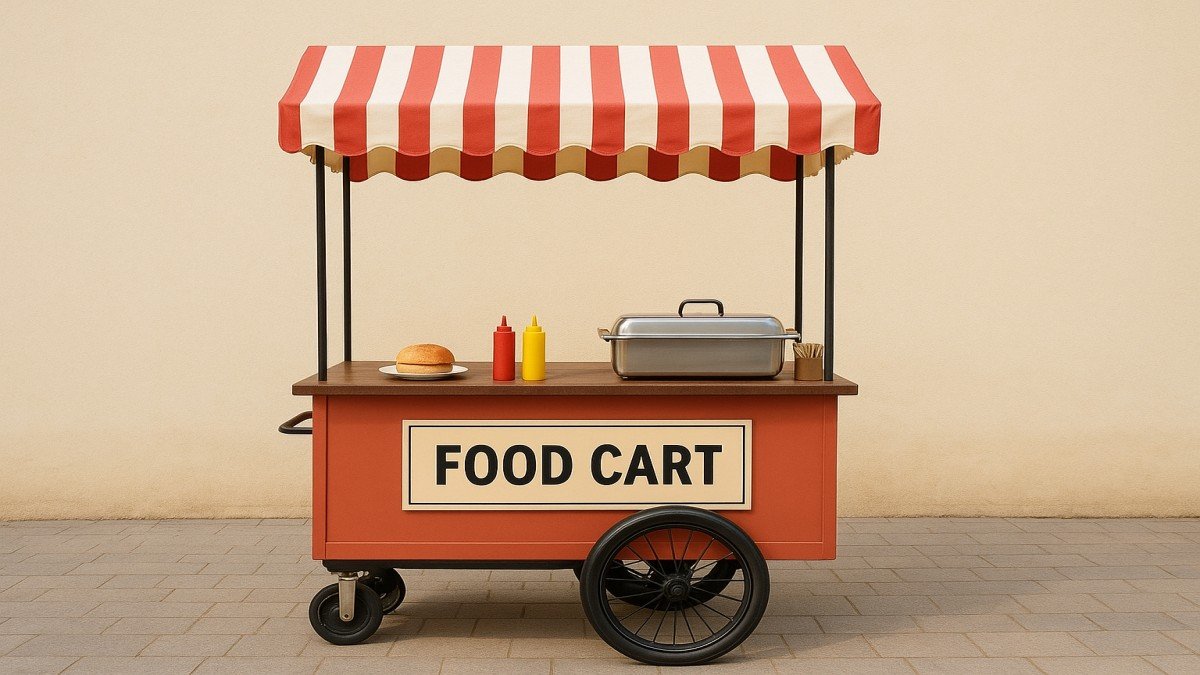
A food cart is a compact, mobile structure equipped to prepare and sell food in public spaces. Unlike full-size food trucks, food carts are typically smaller and may be pushed manually or attached to a bicycle, scooter, or vehicle.
2. A Brief History of Food Carts
Food carts aren’t a new concept. They date back centuries:
2.1 Ancient Origins
Street food has existed since ancient civilizations, where vendors sold roasted meats, soups, and bread to laborers.
2.2 Rise in Urban Cities
As cities grew, food carts became essential for busy workers needing quick and affordable meals.
2.3 Modern Evolution
Today, they’ve evolved into stylish, hygienic, and often gourmet mini kitchens—offering everything from tacos to sushi.
3. Types of Food Carts
Food carts come in different forms depending on cuisine, mobility, and power source.
3.1 Push Carts
Simple hand-pushed carts used for snacks like corn, chaat, hot dogs, and ice cream.
3.2 Bicycle or Tricycle Carts
Eco-friendly and great for roaming high-traffic areas.
3.3 Trailer Carts
Larger carts pulled by scooters or cars, ideal for hot meals.
3.4 Modular Stainless Steel Carts
Common in street food hubs; durable, easy to clean, and heat-resistant.
4. What Makes Food Carts So Popular?
Food carts are booming for several reasons:
4.1 Affordability
Their low operational cost means cheaper food for customers.
4.2 Mobility
Vendors can move to high-traffic zones or events easily.
4.3 Cultural Appeal
Food carts often deliver authentic, local flavors that restaurants can’t replicate.
4.4 Fast Cooking and Service
Perfect for customers in a hurry.
5. Common Foods Sold in Food Carts
Food carts can serve nearly anything, but here are some favorites:
5.1 Street Snacks
Hot dogs, pretzels, samosas, pakoras, fries.
5.2 Local Specialties
Chaat in India, tacos in Mexico, kebabs in the Middle East.
5.3 Desserts
Ice cream, churros, waffles, shaved ice.
5.4 Beverages
Juices, lemonade, coffee, bubble tea.
6. Setting Up a Food Cart Business
Starting a food cart business is easier—and cheaper—than opening a full restaurant.
6.1 Choosing a Concept
Pick food that is:
- Quick to prepare
- Cost-friendly
- Easy to transport
- Loved by locals
6.2 Picking the Right Location
Busy areas are ideal:
- Markets
- Office zones
- Tourist spots
- Schools and colleges
6.3 Licensing and Hygiene
A legal permit and proper hygiene are non-negotiable for long-term success.
7. Cost of Starting a Food Cart
Startup costs depend on size and equipment, but typically include:
- Food cart ($300 – $3000)
- Cooking equipment
- Ingredients and stock
- Permits and licenses
- Branding and maintenance
8. Advantages of Food Carts
Food carts have massive benefits:
8.1 Low Investment
Anyone with a small budget can start.
8.2 Scalability
A successful cart can expand to multiple carts—or even a restaurant.
8.3 Easy Branding
A colorful cart with a catchy name can attract a crowd quickly.
8.4 Flexibility
Change your menu whenever you want—no big renovation needed.
9. Challenges of Food Carts
Every business comes with hurdles:
9.1 Weather Issues
Rain or heat can impact sales.
9.2 Legal Restrictions
Some cities limit street vending.
9.3 Storage Space
Carts have limited space for ingredients and cooking tools.
Conclusion
Food carts have come a long way—from ancient street vendors to trendy modern mini-kitchens. Whether you’re a foodie, a traveler, or an aspiring entrepreneur, food carts offer a fun and flavorful experience. They represent creativity, culture, and convenience all rolled into one delicious package. If you’re considering starting a food cart business, now is the perfect time to jump in—small investment, big potential!
FAQs
1. Are food carts profitable?
Yes, food carts can be very profitable due to their low operating costs and high foot traffic.
2. Do I need a license for a food cart?
Most regions require food handling permits and vending licenses.
3. What is the best food to sell in a food cart?
Fast, easy-to-prepare items like tacos, sandwiches, fries, and snacks work best.
4. Can I move my food cart anywhere?
It depends on local regulations—some areas restrict street vending zones.
5. How do I attract more customers to my cart?
Good branding, hygiene, tasty food, and social media presence all help boost sales.