




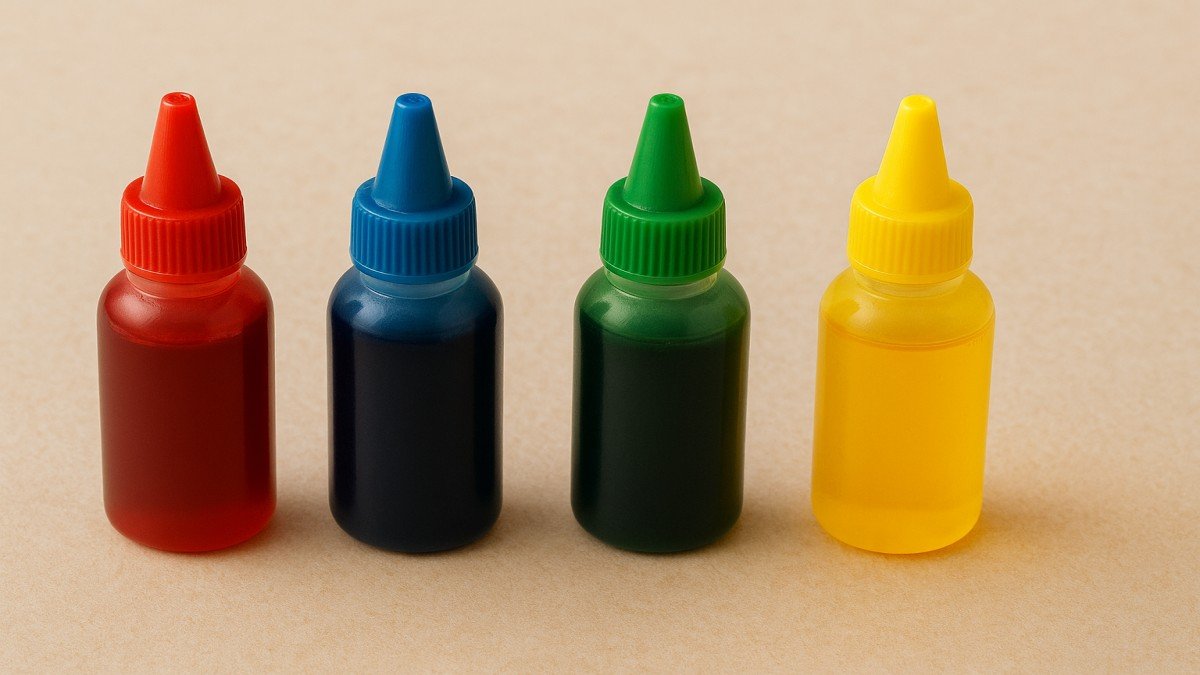
Introduction
Have you ever wondered why your favorite cake has that perfect pink frosting or why candies come in vibrant rainbow colors? The answer lies in food coloring the magical touch that makes food more appealing, appetizing, and fun. From bakeries to beverages, food coloring plays a major role in how we perceive and enjoy what we eat.
What Is Food Coloring?
Food coloring, also known as a food dye or pigment, is a substance added to food or drink to enhance or restore its color. It can come from natural sources like plants and minerals or be synthetically made in a lab. While color doesn’t affect the taste, it strongly influences how we experience flavor — after all, we eat with our eyes first!
The History of Food Coloring
The use of color in food dates back centuries. Ancient civilizations used saffron, paprika, and beet juice to give their dishes visual appeal. However, artificial colorings became popular during the 19th century, thanks to the rise of processed foods. Over time, stricter regulations were introduced to ensure safety and quality in food dyes.
Types of Food Coloring
Food coloring comes in two broad categories: natural and artificial. Let’s break down the differences.
Natural Food Coloring
Derived from plants, minerals, or animal sources, natural colorings are popular among health-conscious consumers. They’re chemical-free and eco-friendly but can be less stable when exposed to heat or light.
Artificial Food Coloring
These are synthetic dyes made from chemical compounds to produce intense, consistent colors. They’re widely used in commercial food production due to their long shelf life and strong pigmentation.
How Food Coloring Works
When added to food, coloring agents bind to water, fat, or proteins, giving the desired shade. Some dyes dissolve in water (like in drinks), while others are oil-soluble (used in chocolates or icings). The science behind color mixing also plays a key role — red and blue make purple, yellow and red make orange, and so on.
Common Natural Food Coloring Sources
1. Turmeric
Known for its bright yellow hue, turmeric is a natural coloring powerhouse. It’s used in curries, beverages, and baked goods.
2. Beetroot
Beets provide a rich red or pink color perfect for smoothies, cakes, and frostings.
3. Spirulina
This blue-green algae is used to create natural shades of blue and green, often seen in health drinks or candies.
4. Paprika and Carrot Extract
Both provide warm orange tones, perfect for soups, snacks, and sauces.
Popular Artificial Food Colors and Their Uses
Some of the most recognized synthetic dyes include:
- Red 40: Commonly used in candies, cereals, and soft drinks.
- Yellow 5 (Tartrazine): Found in snacks, drinks, and condiments.
- Blue 1: Used in frostings, beverages, and desserts.
- Green 3: Adds a vivid touch to mint-flavored items and jellies.
These artificial dyes are approved by regulatory agencies like the FDA when used within safety limits.
Applications of Food Coloring
In Baking and Desserts
Cakes, cupcakes, cookies, and icing are incomplete without a splash of color. Food coloring transforms simple treats into works of art.
In Beverages
From neon sports drinks to flavored sodas, beverages rely on coloring to match flavor expectations — think green apple, orange mango, or cherry red.
In Packaged Foods
Ready-to-eat meals, chips, and cereals often use color to maintain a fresh and appetizing appearance even after processing.
Benefits of Using Food Coloring
- Enhances visual appeal – Makes food look vibrant and appetizing.
- Restores color lost during processing – Keeps packaged foods fresh-looking.
- Helps indicate flavor – Consumers associate colors with specific tastes (e.g., yellow with lemon).
- Encourages creativity – Especially in baking and dessert making.
Conclusion
Food coloring might seem like a simple ingredient, but it plays a powerful role in how we enjoy our meals. Whether natural or artificial, the right color can transform plain food into something exciting and irresistible. As awareness grows, more people are embracing natural coloring options that are safe, sustainable, and just as stunning. So next time you add a splash of color to your cupcake or smoothie, remember — you’re blending art and science on your plate!
FAQs
1. Is food coloring safe to eat?
Yes, food coloring is safe when used within regulated limits approved by authorities like the FDA or EFSA.
2. Can food coloring cause allergies?
Some artificial dyes may cause mild reactions in sensitive individuals. Natural alternatives are safer options.
3. What’s the difference between gel and liquid food coloring?
Gel colors are more concentrated, while liquid colors are easier to mix but less vibrant.
4. Can I make my own natural food dyes at home?
Absolutely! You can use beet juice, turmeric, spinach, or blueberries to make colorful homemade dyes.
5. Does food coloring change the flavor of food?
In small amounts, no. However, too much can add a slight aftertaste, especially with natural colorings.