




Introduction
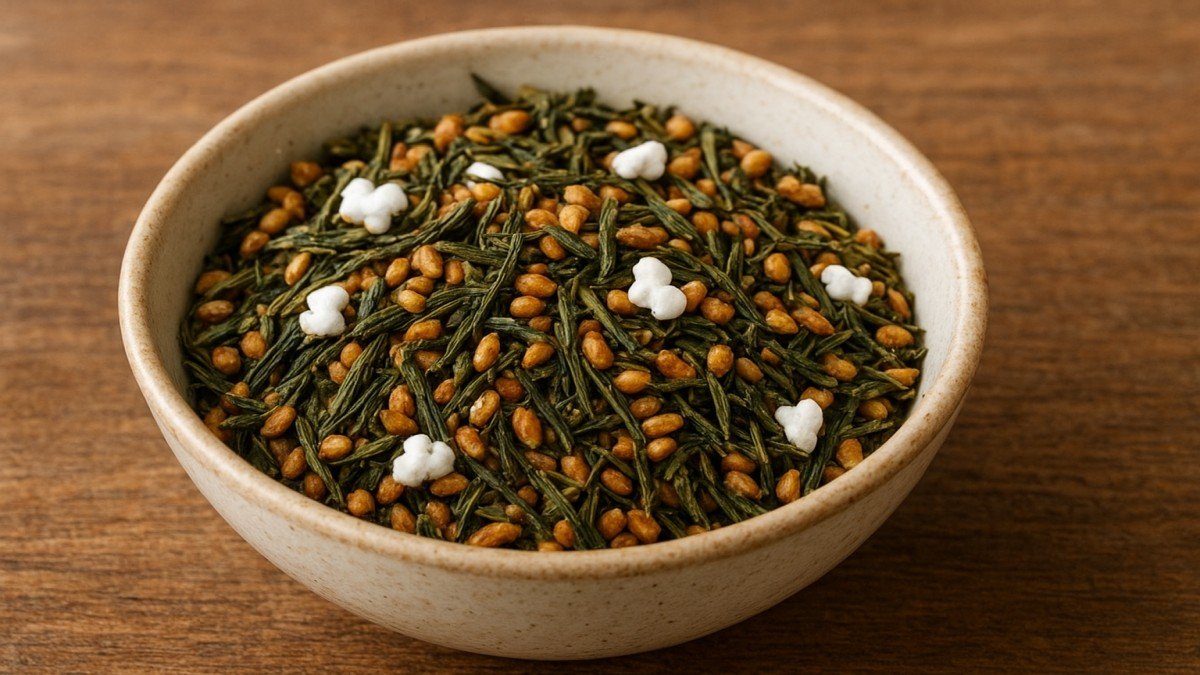
Ever sipped a tea that feels like a warm hug on a chilly day? That’s Genmaicha a toasty, nutty, and slightly sweet Japanese green tea blended with roasted brown rice. It’s often described as “popcorn tea” because of the small popped grains that resemble popcorn kernels. But Genmaicha is far more than just a novelty; it’s a soothing, aromatic beverage with a deep history and impressive health benefits.
What Is Genmaicha?
Genmaicha (玄米茶) literally translates to “brown rice tea.” It’s a blend of Japanese green tea — usually bancha or sencha — mixed with roasted rice kernels. The result? A golden-green infusion that balances the grassy notes of green tea with the warm, roasted aroma of rice.
This harmonious pairing creates a flavor unlike any other — earthy yet smooth, rich yet refreshing.
The Origins of Genmaicha
The origins of Genmaicha trace back to Japan’s Edo period (1603–1868). It was traditionally consumed by poorer households who mixed green tea with roasted rice to stretch their tea supply. The result was a deliciously hearty drink that quickly became popular across social classes.
Today, Genmaicha isn’t just a budget-friendly option — it’s a beloved staple found in teahouses, restaurants, and homes worldwide.
Why It’s Called “The People’s Tea”
Genmaicha earned the nickname “the people’s tea” because of its humble beginnings. While high-grade teas like gyokuro or matcha were reserved for nobility, Genmaicha was accessible to everyone. It symbolized simplicity, warmth, and togetherness — values deeply rooted in Japanese culture.
The Ingredients: Green Tea and Roasted Rice
The charm of Genmaicha lies in its two simple ingredients:
- Green Tea (Bancha or Sencha): Provides antioxidants, vitamins, and a grassy freshness.
- Roasted Brown Rice: Adds nutty, caramel-like flavors and a toasty aroma. Some grains “pop” during roasting, creating tiny white bits that look like popcorn.
This combination offers both balance and nostalgia — a taste of tradition in every sip.
How Genmaicha Is Made
Creating Genmaicha involves a careful process:
- Roasting Rice: Brown rice is soaked, steamed, dried, and then roasted until golden brown.
- Mixing with Tea Leaves: The roasted rice is combined with green tea leaves, typically in a 1:1 ratio.
- Blending: The blend is gently mixed to ensure even flavor distribution.
The artistry lies in balancing the roast — too light, and it’s bland; too dark, and it overpowers the tea.
Flavor Profile and Aroma
Genmaicha is all about comfort. Imagine the warm, cozy smell of roasted grains mingling with the freshness of green tea.
Its flavor profile includes:
- Toasted nuts
- Subtle sweetness
- Slight grassy undertone
- Soft umami finish
It’s the perfect tea for winding down after a meal or on a quiet afternoon.
Genmaicha vs. Other Japanese Teas
| Tea Type | Base | Flavor Profile | Caffeine Level |
|---|---|---|---|
| Genmaicha | Green tea + roasted rice | Nutty, roasted, smooth | Low |
| Sencha | Green tea | Fresh, grassy, sweet | Medium |
| Hojicha | Roasted green tea | Smoky, caramel-like | Low |
| Matcha | Powdered green tea | Earthy, bold, umami | High |
Genmaicha stands out for its gentle flavor and lower caffeine — a great choice for beginners or evening tea sessions.
The Art of Brewing Genmaicha
Brewing Genmaicha is simple but requires care:
- Water temperature: 80°C (176°F) — never boiling.
- Tea-to-water ratio: 1 teaspoon per cup.
- Steeping time: 1–2 minutes.
Pro tip: Don’t oversteep! Otherwise, the tea may turn bitter. The goal is to capture that delicate balance between the grassy green tea and the nutty rice.
Conclusion
Genmaicha is more than just tea — it’s a blend of history, culture, and comfort. Its toasted aroma, smooth taste, and soothing warmth make it a daily ritual worth savoring. Whether you’re new to Japanese teas or a seasoned drinker, Genmaicha offers a humble yet unforgettable experience that connects the heart and mind with every sip.
FAQs
1. What does Genmaicha taste like?
It has a nutty, toasty flavor with mild sweetness and a smooth green tea finish.
2. Does Genmaicha have caffeine?
Yes, but much less than coffee or black tea — about 10–20 mg per cup.
3. Is Genmaicha good for digestion?
Absolutely. It’s often enjoyed after meals to help soothe the stomach.
4. How is Genmaicha different from Hojicha?
Hojicha is made from roasted tea leaves, while Genmaicha combines green tea with roasted rice.
5. Can I drink Genmaicha every day?
Yes! Its low caffeine and high antioxidants make it safe and healthy for daily enjoyment.