


Introduction
Flat feet can make even simple activities like walking or standing feel uncomfortable. Thankfully, insoles for flat feet are a game-changer, offering both support and comfort. Whether you’re an athlete, a professional who stands all day, or someone dealing with daily foot pain, the right insole can transform your experience.
What Are Flat Feet?
Definition of Flat Feet
Flat feet, also called fallen arches, occur when the arch of your foot collapses, causing the entire sole to touch the ground. This can be flexible or rigid, depending on whether the arch reappears when you lift your foot.
Types of Flat Feet
- Flexible Flat Feet – Arches appear while sitting but flatten under weight.
- Rigid Flat Feet – Arches are always absent, even without weight-bearing.
Causes of Flat Feet
Flat feet can develop due to several reasons:
Genetics
Some people are born with a predisposition for flat feet, often passed through family lines.
Injury or Aging
Foot or ankle injuries, arthritis, or natural aging can weaken tendons, leading to arch collapse.
Lifestyle Factors
Obesity, prolonged standing, or unsupportive footwear can worsen the condition.
Common Symptoms of Flat Feet
- Foot Pain and Fatigue: Especially in the arch or heel area.
- Back and Knee Discomfort: Poor alignment can affect other joints.
- Poor Posture: Flat feet alter your stance and gait over time.
Why Insoles Are Essential for Flat Feet
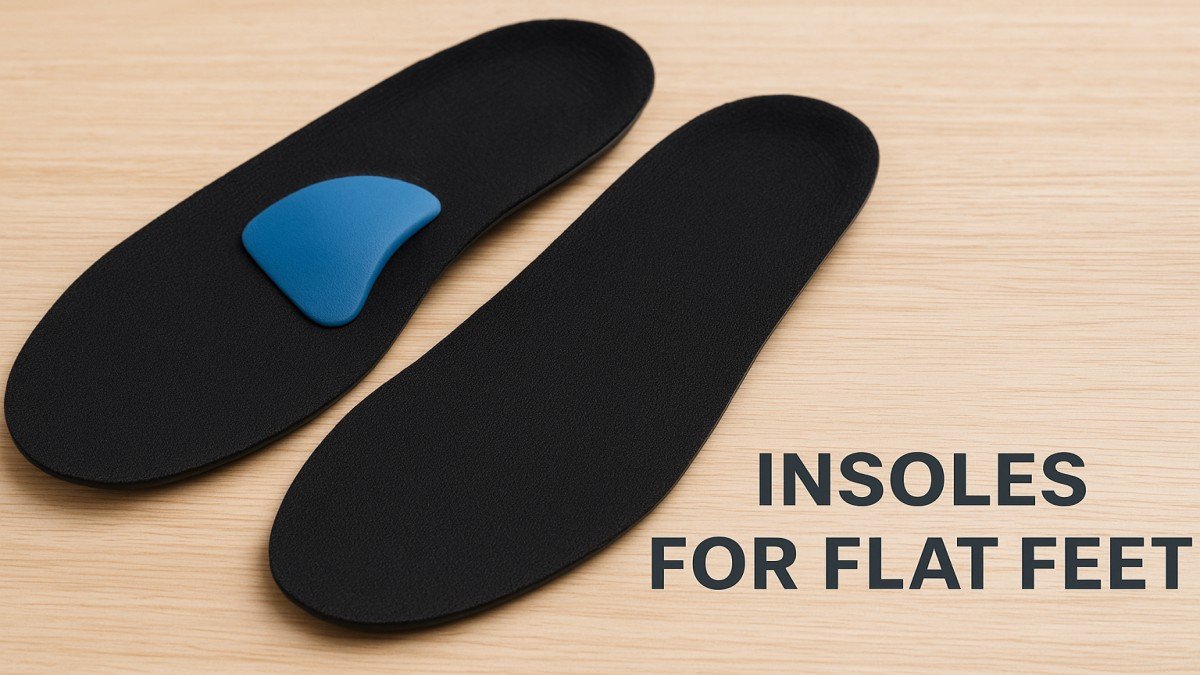
Insoles don’t just add comfort—they correct alignment, distribute pressure evenly, and reduce strain on joints. By mimicking a natural arch, they help your feet function as intended, preventing pain and long-term complications.
Different Types of Insoles
Over-the-Counter Insoles
These are affordable and easy to find. Great for mild flat feet cases.
Custom Orthotics
Prescribed by podiatrists, these are molded specifically to your foot shape for maximum support.
Gel and Foam Insoles
Ideal for people seeking cushioning and shock absorption, especially during sports or long walks.
Key Features to Look for in Insoles
Arch Support
A firm but comfortable arch helps distribute body weight evenly.
Cushioning and Shock Absorption
Protects the heel and ball of your foot from impact stress.
Durability and Breathability
Choose materials that resist wear and allow air circulation to prevent odor.
Best Materials for Insoles
- Memory Foam – Adapts to your foot shape for personalized comfort.
- Gel-Based – Absorbs shock and ideal for high-impact activities.
- Cork and EVA Foam – Lightweight and supportive, perfect for daily use.
How to Choose the Right Insoles
Based on Activity Level
- Athletes: Go for high-impact gel insoles.
- Office Workers: Memory foam provides long-lasting comfort.
- Hikers: Choose firm support with moisture resistance.
Based on Footwear Type
Running shoes, boots, and dress shoes may need different insole thickness or design.
Benefits of Using Insoles for Flat Feet
- Pain Relief: Reduces stress on the arch and heel.
- Improved Posture: Helps align ankles, knees, and hips.
- Enhanced Mobility: Makes walking or running easier and less tiring.
How to Insert and Adjust Insoles
- Remove existing shoe liners.
- Trim the insole edges if needed.
- Place the insole snugly inside your shoe.
- Wear for short durations initially to break them in.
Maintenance and Care Tips
- Cleaning: Use mild soap and air dry.
- Replacement: Every 6–12 months, depending on usage.
- Avoid Moisture: Prevent bacterial growth by keeping them dry.
Potential Drawbacks of Low-Quality Insoles
Cheap insoles may offer short-term relief but fail in support, causing more discomfort over time. Always invest in high-quality materials.
When to Consult a Podiatrist
If you experience persistent pain, swelling, or difficulty walking, it’s time to consult a professional. Custom orthotics or specialized therapy might be needed.
Conclusion
Flat feet don’t have to hold you back. With the right pair of insoles, you can regain comfort, stability, and mobility in your daily life. Whether custom-made or over-the-counter, proper insoles can make every step pain-free.
FAQs
1. Can insoles permanently fix flat feet?
No, but they can manage symptoms and improve comfort significantly.
2. Are custom orthotics worth the investment?
Yes, especially if you have severe pain or structural issues.
3. How long do insoles last?
Typically 6–12 months, depending on frequency of use and material quality.
4. Can I use the same insoles for different shoes?
You can, but it’s best to have separate pairs for each type of footwear.
5. Do insoles help with back pain caused by flat feet?
Absolutely. Correcting foot alignment can reduce strain on the spine and improve posture.