



What Is Lacquer Thinner?
If you’ve ever dabbled in painting, woodworking, or automotive work, chances are you’ve come across lacquer thinner. But what exactly is it?
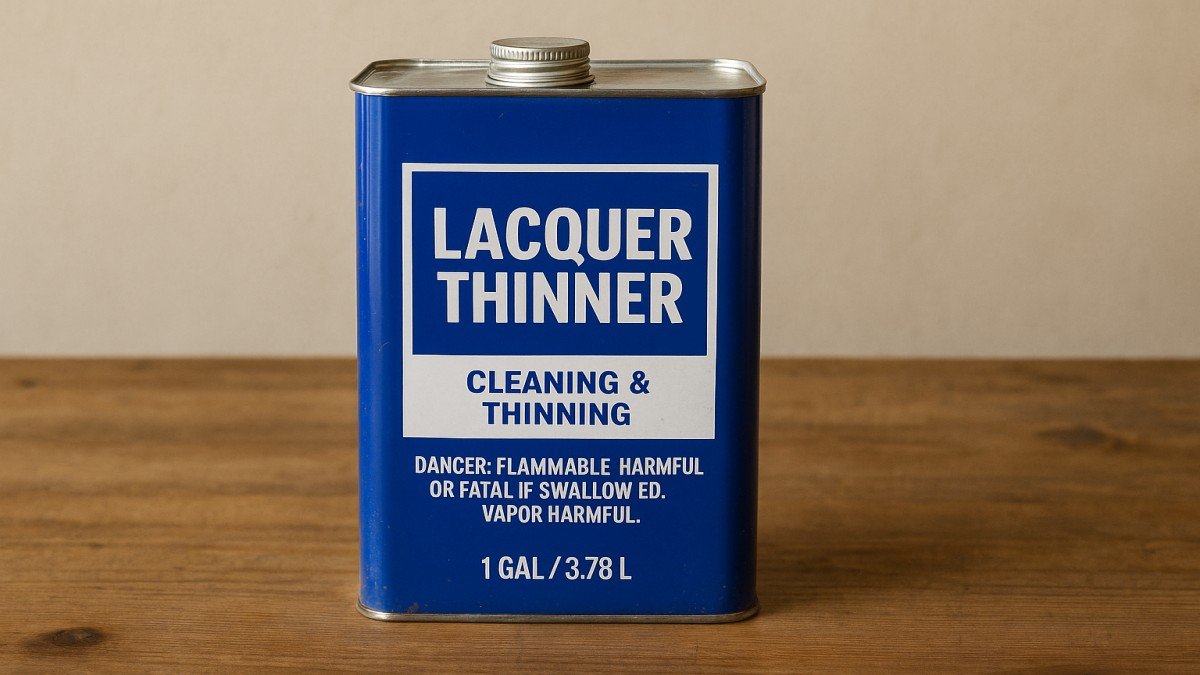
Lacquer thinner is a highly volatile solvent used to dissolve, dilute, and clean lacquer-based products. It’s known for its fast-evaporating and high-strength formula, making it a go-to solution in both home improvement and industrial settings.
Understanding the Composition
Lacquer thinner isn’t a single chemical but a blend of several solvents. Common components include:
- Toluene
- Acetone
- Methanol
- Xylene
- Ethyl acetate
These solvents work synergistically to dissolve tough resins and lacquers effectively.
How Lacquer Thinner Works
Ever wonder how it just melts away paint? It’s all about chemistry. Lacquer thinner breaks down the molecular bonds in lacquer, varnish, and other oil-based finishes. This makes it super effective for thinning and removal tasks.
Applications of Lacquer Thinner
Paint Thinning
Lacquer thinner is a top choice when you need to thin lacquer-based paints for smoother application, especially with a spray gun.
Cleaning Tools
Caked-on paint on your brushes? No problem. It cleans paint brushes, rollers, and spray nozzles effortlessly.
Degreasing Surfaces
Great for prepping surfaces by removing grease, oil, or old finishes before refinishing.
Industrial Uses
In factories and auto shops, it’s used to clean metal parts, remove adhesives, and prepare surfaces.
Benefits of Using Lacquer Thinner
Fast Evaporation
Time is money. Lacquer thinner dries super fast, saving you downtime between coats.
Strong Solvent Power
Few solvents can match its ability to break down tough substances quickly.
Versatile Use Cases
From household fixes to heavy-duty commercial cleaning, it gets the job done.
Safety Precautions and Handling
This stuff isn’t candy, so let’s be careful.
Proper Storage
Keep it in a sealed metal container away from heat and sunlight.
Ventilation
Always use in well-ventilated areas to avoid inhaling toxic fumes.
Personal Protection
Wear gloves, safety glasses, and a mask if you’re using it for more than a quick job.
Environmental and Health Impacts
Lacquer thinner is full of volatile organic compounds (VOCs), which contribute to air pollution and pose health risks.
- Dispose of it responsibly at a hazardous waste facility.
- Avoid pouring it down the drain or on the ground.
Alternatives to Lacquer Thinner
Need something less harsh?
- Mineral spirits: gentler but slower
- Acetone: fast but aggressive
- Eco-friendly solvents: plant-based options now available
Tips for Buying Lacquer Thinner
Not all thinners are created equal. Here’s what to check:
- Label: Make sure it’s specifically for lacquer
- Purity: Higher purity = stronger solvent
- Brand: Stick with trusted names like Klean-Strip, Sunnyside, or Crown
Common Myths and Misconceptions
Let’s bust a few myths.
- “It’s the same as paint thinner.” Nope. Paint thinner is weaker and mostly for oil-based paints.
- “It damages all surfaces.” Only if used incorrectly. Test first.
How to Use Lacquer Thinner Properly
Step-by-Step Guide
- Shake the can before opening
- Pour a small amount into a metal container
- Dip your brush/tool or use a rag
- Apply and clean/wipe immediately
- Seal the container tightly afterward
Do’s and Don’ts
- ✅ Do use gloves
- ❌ Don’t mix with water
- ✅ Do work outdoors or near ventilation
- ❌ Don’t leave the container open
Lacquer Thinner vs Other Solvents
Here’s a quick comparison:
| Solvent | Evaporation Speed | Strength | Uses |
|---|---|---|---|
| Lacquer Thinner | Fast | Strong | Paint removal, degreasing |
| Acetone | Very Fast | Very Strong | Nail polish, adhesives |
| Mineral Spirits | Moderate | Mild | Cleaning brushes, thinning paint |
| Turpentine | Slow | Mild | Art supplies, cleaning |
Cost and Availability
Prices vary depending on size and brand but expect to pay between $6–$15 per quart. Find it at:
- Hardware stores
- Automotive supply shops
- Online retailers like Amazon
Conclusion
Lacquer thinner is a must-have for serious DIYers, painters, and professionals alike. With powerful cleaning and dissolving properties, it’s incredibly effective—but it comes with responsibility. Use it wisely, safely, and sparingly. Whether you’re restoring furniture, detailing a car, or cleaning tools, lacquer thinner delivers the punch you need to get the job done right.
FAQs
1. Can I use lacquer thinner to remove paint from wood?
Yes, but test on a small area first and avoid over-saturating the wood.
2. Is lacquer thinner flammable?
Absolutely! Keep it far away from flames or sparks.
3. Can I use it to clean plastic surfaces?
Caution—lacquer thinner can melt or warp certain plastics.
4. What should I do if it gets on my skin?
Wash immediately with soap and water. Avoid prolonged contact.
5. How long does lacquer thinner last?
Indefinitely if sealed tightly and stored in a cool, dry place.