




Introduction
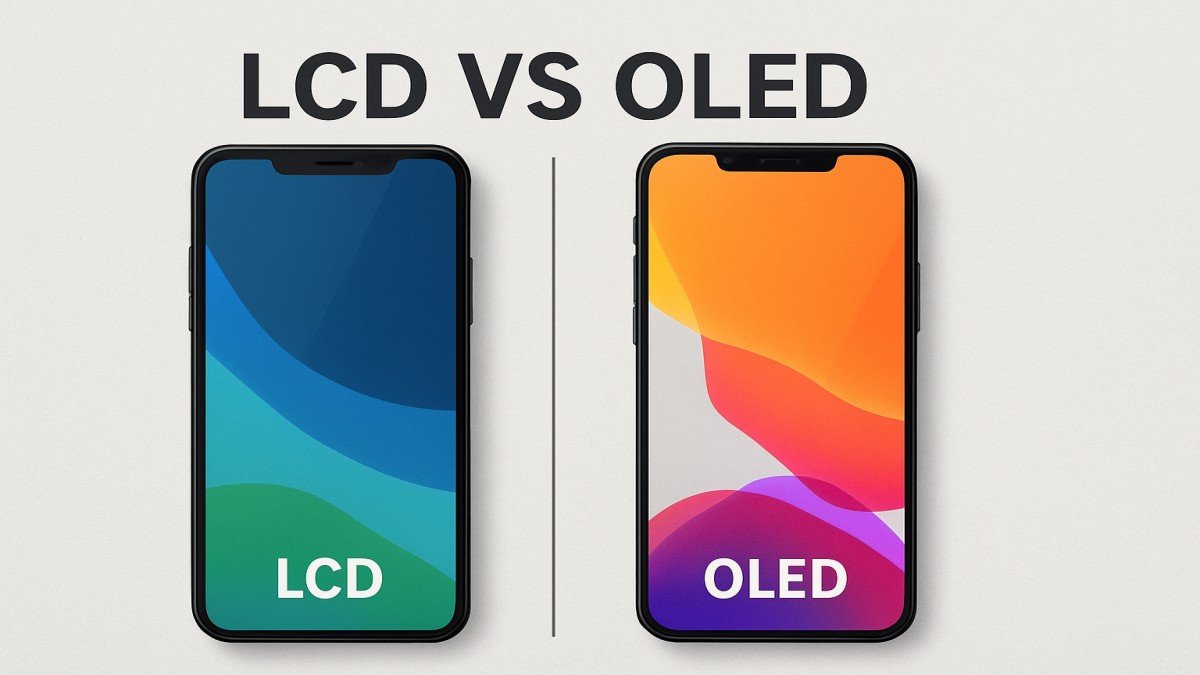
When you buy a new phone, TV, or laptop, one of the biggest decisions you face is choosing between LCD vs OLED displays. These two technologies dominate the market, but each has its own strengths and weaknesses. Wondering which one is better for you? Let’s break it down in simple, bite-sized pieces so you can make the smartest choice for your needs.
What is an LCD Display?
How LCD Technology Works
LCD stands for Liquid Crystal Display. It uses a backlight (usually LED) that shines through liquid crystals to create images on the screen. Since the light comes from behind the display, LCDs rely on filters and crystals to block or allow light.
Advantages of LCD
- Generally cheaper than OLED.
- Very bright, making it suitable for outdoor viewing.
- Longer lifespan without burn-in issues.
- Widely available in different devices.
Common Uses of LCD
From budget smartphones and laptops to mid-range TVs, LCDs are everywhere because they’re affordable and reliable.
What is an OLED Display?
How OLED Technology Works
OLED stands for Organic Light-Emitting Diode. Unlike LCD, OLED doesn’t need a backlight. Each pixel lights up individually, allowing for true blacks and stunning contrast.
Advantages of OLED
- Perfect black levels (since pixels turn off completely).
- Vibrant colors and excellent contrast.
- Slim and flexible design, enabling curved and foldable screens.
- Faster response times, great for gaming and fast-moving content.
Common Uses of OLED
OLED is often used in premium smartphones, high-end TVs, and some modern laptops where picture quality is a priority.
Key Differences Between LCD and OLED
Brightness and Backlighting
- LCD: Usually brighter because of powerful backlights.
- OLED: Can be dimmer outdoors but offers richer contrast.
Contrast Ratio and Black Levels
- LCD: Blacks appear more like dark gray due to backlight leakage.
- OLED: True blacks with infinite contrast.
Color Accuracy and Vibrancy
- LCD: Accurate but less vivid.
- OLED: Punchy, saturated colors that “pop.”
Response Time and Refresh Rates
- LCD: Slower response, but high refresh rates are common.
- OLED: Extremely fast response, perfect for gaming and action scenes.
Viewing Angles
- LCD: Colors shift when viewed from the side.
- OLED: Consistent colors from any angle.
Power Consumption
- LCD: Consumes more energy overall since backlight is always on.
- OLED: More efficient with dark themes, but bright screens drain battery faster.
Lifespan and Burn-In Issues
- LCD: Durable, no burn-in.
- OLED: Risk of burn-in with static images, but newer tech reduces this.
Thickness and Flexibility
- LCD: Thicker and rigid.
- OLED: Ultra-thin, can be curved or foldable.
LCD vs OLED for Smartphones
If you’re buying a phone, the choice can be tricky.
- OLED phones (like iPhones Pro models and Samsung Galaxy devices) deliver jaw-dropping colors and deeper blacks.
- LCD phones (budget-friendly devices) offer durability and brightness but lack that premium feel.
For battery life, OLED usually wins if you use dark themes, but LCD holds steady with consistently bright screens.
LCD vs OLED for TVs
Picture Quality Comparison
OLED TVs dominate with better contrast, cinematic blacks, and immersive colors. LCD/LED TVs, however, often win in brightness, making them better for sunlit rooms.
Gaming Performance
OLED’s fast response and low input lag make it the dream display for gamers. LCD gaming TVs still hold their own with higher refresh rates.
Long-Term Durability
LCDs last longer with no burn-in worries, but OLED manufacturers are constantly improving durability.
LCD vs OLED for Laptops and Monitors
Productivity and Office Work
If you’re just browsing, emailing, or doing office work, an LCD laptop is often enough—and cheaper.
Content Creation and Media Editing
Graphic designers, video editors, and photographers benefit more from OLED accuracy and contrast.
Gaming Monitors: Which is Better?
Gamers love OLED’s responsiveness, but high-end LCD monitors with 240Hz+ refresh rates are still very competitive.
Conclusion
So, LCD vs OLED—which is better? The answer depends on your needs. If you want affordability, durability, and brightness, stick with LCD. But if you crave stunning visuals, perfect blacks, and cutting-edge design, OLED is your best bet. Think of LCD as a reliable family car, while OLED is the sleek sports car—both will get you there, but one does it with style.
FAQs
1. Which lasts longer, LCD or OLED?
LCDs typically have a longer lifespan, but OLED technology is improving rapidly.
2. Is OLED worth the extra money?
Yes, if you value picture quality and immersive visuals.
3. Can OLED screens get burn-in?
Yes, but newer OLED panels have technology to minimize this risk.
4. Which is better for gaming—LCD or OLED?
OLED is better for fast response and deep blacks, but high-refresh-rate LCDs are still competitive.
5. Will OLED replace LCD completely?
Probably not. LCD will remain in budget devices, while OLED dominates premium markets.