




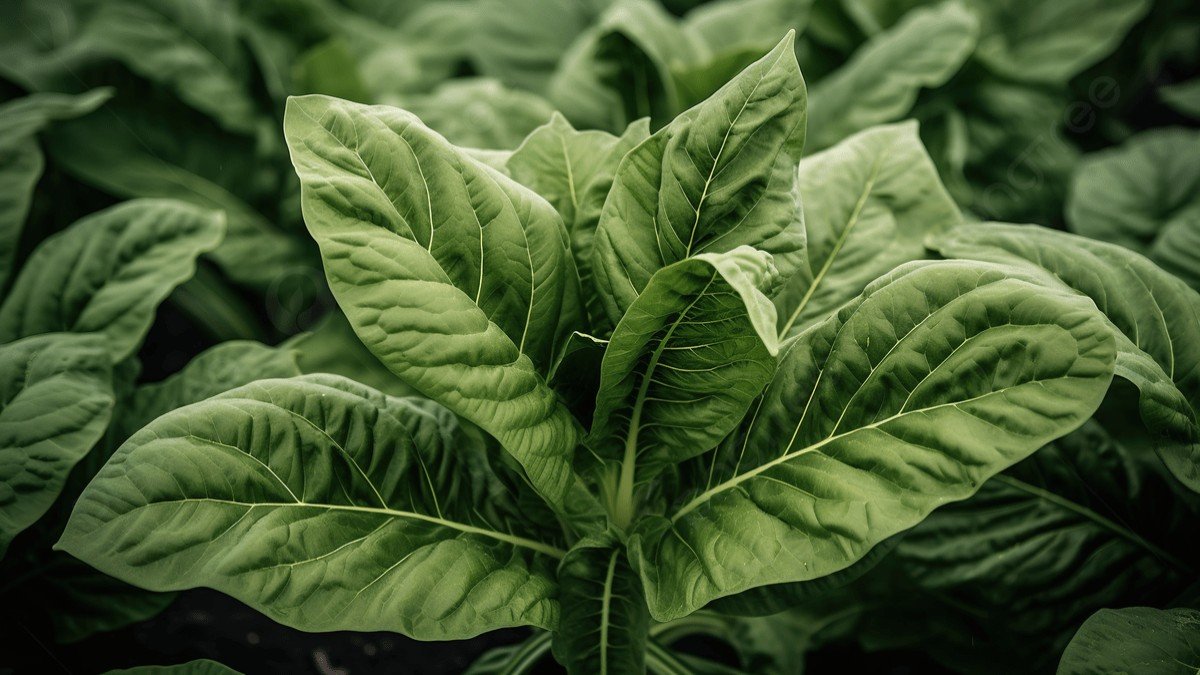
Leaves of Tobacco. Tobacco leaves have shaped history, culture, economies, and industries around the world. Whether you associate them with the production of cigarettes, cigars, or traditional cultural practices, tobacco leaves remain one of the most studied and commercially significant agricultural products. In this article, we’ll dive into how tobacco leaves grow, how they’re processed, and why they continue to influence global markets.
What Are Tobacco Leaves?
Tobacco leaves come from the tobacco plant, mainly from Nicotiana tabacum and Nicotiana rustica. These leaves are harvested, cured, and processed for various uses, most notably in the production of smoking and chewing products.
Why Tobacco Leaves Matter
Even today, tobacco leaves are a major agricultural commodity. They support millions of farmers, fuel export economies, and serve as raw material for several industries beyond smoking products.
Origin and History
Tobacco originated in the Americas, where Indigenous peoples cultivated and used it for medicinal, ritualistic, and ceremonial purposes. Following European colonization, tobacco spread globally, eventually becoming a key cash crop.
Major Producing Countries
Today, the top global producers include:
- China
- India
- Brazil
- United States
- Indonesia
- Zimbabwe
These nations dominate the tobacco leaf trade due to large-scale farming and suitable climates.
Types of Tobacco Plants
Nicotiana tabacum
This is the primary species used worldwide for commercial tobacco products. It produces broad leaves ideal for cigarettes and cigars.
Nicotiana rustica
Known for its extremely high nicotine content, this variety is often used in traditional rituals and strong tobacco preparations.
Appearance and Texture
Tobacco leaves vary in size, shape, and thickness depending on the plant variety and cultivation method. Fresh leaves are usually green, soft, and flexible, while cured leaves turn golden brown and become aromatic.
Chemical Composition
Tobacco leaves contain several natural compounds:
Nicotine
A potent alkaloid responsible for the stimulating effects of tobacco.
Sugars
Natural sugars influence the flavor and burning characteristics of cured tobacco.
Alkaloids
Besides nicotine, tobacco contains other alkaloids like nornicotine and anabasine.
Ideal Climate and Conditions
Tobacco thrives in:
- Warm temperatures
- Well-drained soil
- Seasonal rainfall
- Plenty of sunlight
These conditions ensure the leaves develop flavor, aroma, and desirable texture.
Cultivation Practices
Farmers typically cultivate tobacco from seedbeds before transplanting it into fields. Throughout the growing season, plants require:
- Regular watering
- Fertilization
- Pest management
- Topping and sucker control (removal of flowers)
Methods of Harvesting
Harvesting strategies include:
- Stalk-cutting (cutting entire plants)
- Leaf picking (selecting mature leaves over weeks)
Leaf maturity affects quality, flavor, and commercial value.
Curing Methods
After harvesting, leaves undergo curing to develop color, aroma, and texture.
Air Curing
Leaves hang in well-ventilated barns and dry naturally.
Fire Curing
Wood smoke enhances flavor, commonly used for pipe and chewing tobacco.
Flue Curing
Warm air flows through barns, producing bright-colored tobacco used in cigarettes.
Sun Curing
Leaves dry under direct sunlight, common in Mediterranean regions.
Fermentation and Aging
After curing, tobacco leaves ferment naturally, reducing harsh compounds and enhancing aroma. Some premium cigars use leaves aged for years to achieve complex flavor profiles.
Grading and Sorting
Leaves are categorized based on:
- Size
- Color
- Texture
- Aroma
- Use (cigarette, cigar wrapper, filler)
Higher-grade leaves command higher prices.
Uses of Tobacco Leaves
Cigarettes, Cigars, and Pipes
The largest use of tobacco leaves is in smoking products, which vary based on curing technique, blending, and leaf type.
Chewing Tobacco and Snuff
Processed tobacco leaves can be chewed, inhaled, or placed between the gum and cheek.
Non-Smoking Uses
Organic Pesticides
Tobacco extracts act as natural insect repellents.
Medicinal Research
Nicotine is used in pharmaceutical studies, including nicotine patches for smoking cessation.
Cultural and Traditional Uses
Many cultures still use tobacco leaves in rituals, ceremonies, and offerings.
Conclusion
Tobacco leaves have a rich history and serve multiple purposes across cultures, industries, and economies. While their connection to health risks cannot be ignored, these leaves continue to influence global agriculture and scientific research. From curing barns to modern laboratories, the journey of tobacco leaves is evolving with new technologies and market demands.
FAQs
1. Why do tobacco leaves need curing?
Curing develops flavor, color, aroma, and reduces harsh compounds.
2. Are all tobacco leaves the same?
No, leaves differ by plant type, position on the stalk, and curing method.
3. What gives tobacco leaves their flavor?
A mix of natural sugars, oils, curing methods, and fermentation.
4. Can tobacco leaves be used for anything besides smoking?
Yes, they’re used for pesticides, medicine, rituals, and research.
5. Which countries grow the best tobacco leaves?
Brazil, Cuba, the U.S., and Zimbabwe are known for high-quality leaves.