




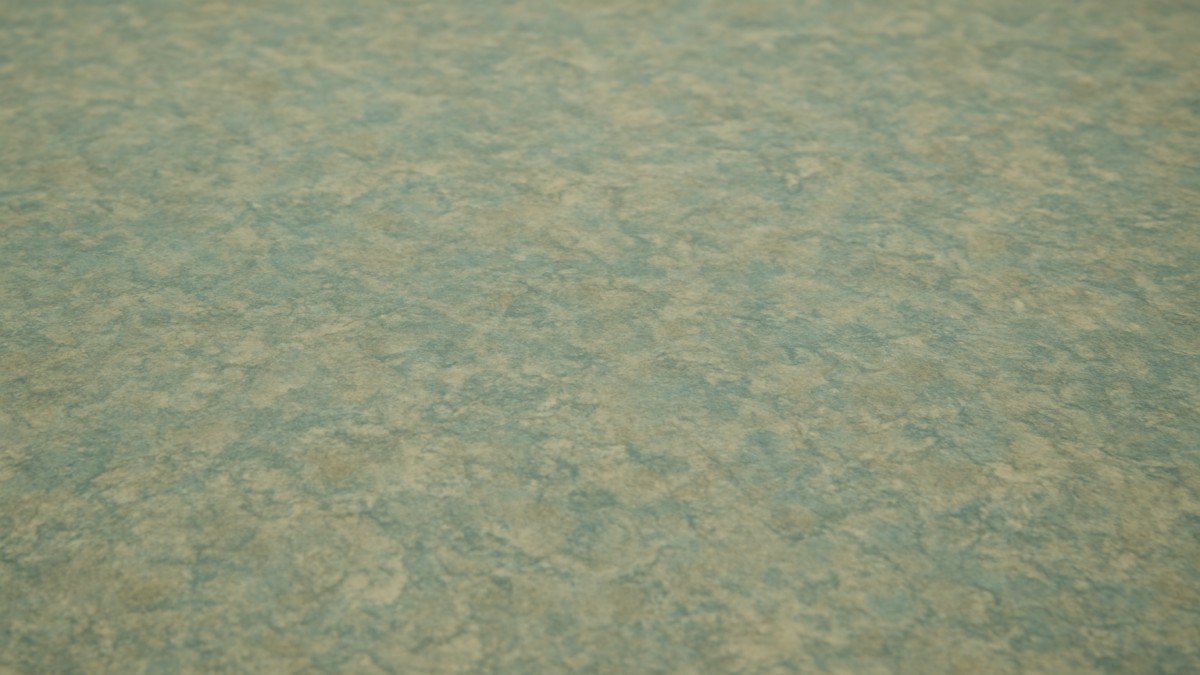
When people hear the word linoleum, many imagine old-school kitchens or vintage classrooms. But here’s the twist linoleum is making a quiet comeback. Durable, eco-friendly, and surprisingly stylish, linoleum flooring has evolved far beyond its outdated reputation. In today’s world of sustainable living and smart design, linoleum fits right in.
Let’s break down what linoleum really is, why it still matters, and whether it might be the right flooring choice for your space.
What Is Linoleum?
Linoleum is a natural flooring material made from renewable ingredients such as linseed oil, cork dust, wood flour, pine resin, limestone, and jute backing. Unlike vinyl, which is synthetic, linoleum is biodegradable and environmentally friendly.
Invented in the mid-19th century, linoleum quickly became popular due to its durability and ease of maintenance.
A Brief History of Linoleum
Linoleum was invented in 1860 by Frederick Walton, who discovered that oxidized linseed oil formed a flexible yet tough material. By the early 20th century, linoleum was everywhere—homes, hospitals, ships, and schools.
Its popularity declined when vinyl flooring entered the market, offering cheaper production and flashier designs. However, sustainability concerns have brought linoleum back into the spotlight.
What Makes Linoleum Unique?
Natural Composition
Linoleum is made almost entirely from natural materials. This makes it:
- Biodegradable
- Low in toxic emissions
- Safe for indoor air quality
Color Goes All the Way Through
Unlike vinyl, where color is printed on the surface, linoleum’s color runs through the entire thickness. That means scratches are less visible and the floor ages gracefully.
Types of Linoleum Flooring
Sheet Linoleum
Comes in large rolls and provides a smooth, seamless look—ideal for kitchens and bathrooms.
Linoleum Tiles
Easier to install and replace, making them popular for DIY projects.
Click-Lock Linoleum
Modern versions now include floating floors with click systems, making installation faster and cleaner.
Benefits of Linoleum Flooring
Eco-Friendly Choice
If sustainability matters to you, linoleum is hard to beat. Its renewable ingredients and long lifespan reduce environmental impact.
Durability
With proper care, linoleum floors can last 30–40 years or more. That’s not hype—it’s proven history.
Comfort Underfoot
Linoleum has a slight bounce and warmth compared to tile or stone, making it more comfortable to walk or stand on.
Naturally Antibacterial
Linseed oil has natural antimicrobial properties, making linoleum ideal for healthcare and childcare settings.
Drawbacks of Linoleum
Moisture Sensitivity
Linoleum doesn’t love standing water. Poor installation or leaks can cause damage over time.
Fading Over Time
Direct sunlight can cause colors to fade, although modern finishes help reduce this issue.
Installation Requires Skill
Sheet linoleum, in particular, benefits from professional installation to avoid seams and curling edges.
Linoleum vs Vinyl: What’s the Difference?
| Feature | Linoleum | Vinyl |
|---|---|---|
| Material | Natural | Synthetic |
| Eco-Friendly | Yes | No |
| Durability | Very high | High |
| Cost | Moderate | Often cheaper |
| Repairability | Better aging | Surface wears |
While vinyl may win on price and water resistance, linoleum shines in sustainability and longevity.
Where Is Linoleum Commonly Used?
- Kitchens
- Hallways
- Classrooms
- Hospitals
- Retail spaces
Its durability and hygiene make it ideal for high-traffic areas.
Maintenance and Care Tips
Caring for linoleum is refreshingly simple:
- Sweep or vacuum regularly
- Mop with mild detergent
- Avoid harsh chemicals
- Use felt pads under furniture
Occasional resealing helps maintain its shine and protection.
Design and Color Options
Modern linoleum is far from boring. Today’s options include:
- Bold solid colors
- Marble-like patterns
- Geometric designs
Whether you want minimalist vibes or retro charm, there’s a linoleum style to match.
Is Linoleum a Good Choice for Modern Homes?
Absolutely. If you value durability, sustainability, and long-term value, linoleum is a smart flooring option. It’s especially appealing to homeowners looking for eco-conscious materials without sacrificing style.
Cost of Linoleum Flooring
On average, linoleum costs:
- Mid-range pricing compared to vinyl and hardwood
- Installation can add to the total cost, especially for sheet linoleum
However, its long lifespan often makes it cost-effective over time.
Conclusion
Linoleum is proof that old ideas can still shine in modern spaces. Durable, natural, and stylish, it offers a refreshing alternative to synthetic flooring. While it may not be perfect for every room, linoleum stands tall as a smart, sustainable choice for those who want flooring with substance and soul.
Sometimes, the classics really do age better than trends.
FAQs
1. Is linoleum the same as vinyl flooring?
No. Linoleum is made from natural materials, while vinyl is synthetic.
2. Can linoleum be used in bathrooms?
Yes, but proper sealing and installation are essential to prevent moisture damage.
3. How long does linoleum flooring last?
With good care, it can last 30–40 years or more.
4. Is linoleum safe for allergies?
Yes. It emits very low VOCs and is naturally antimicrobial.
5. Does linoleum need waxing?
Modern linoleum often has protective coatings, but occasional resealing can extend its life.