




Introduction
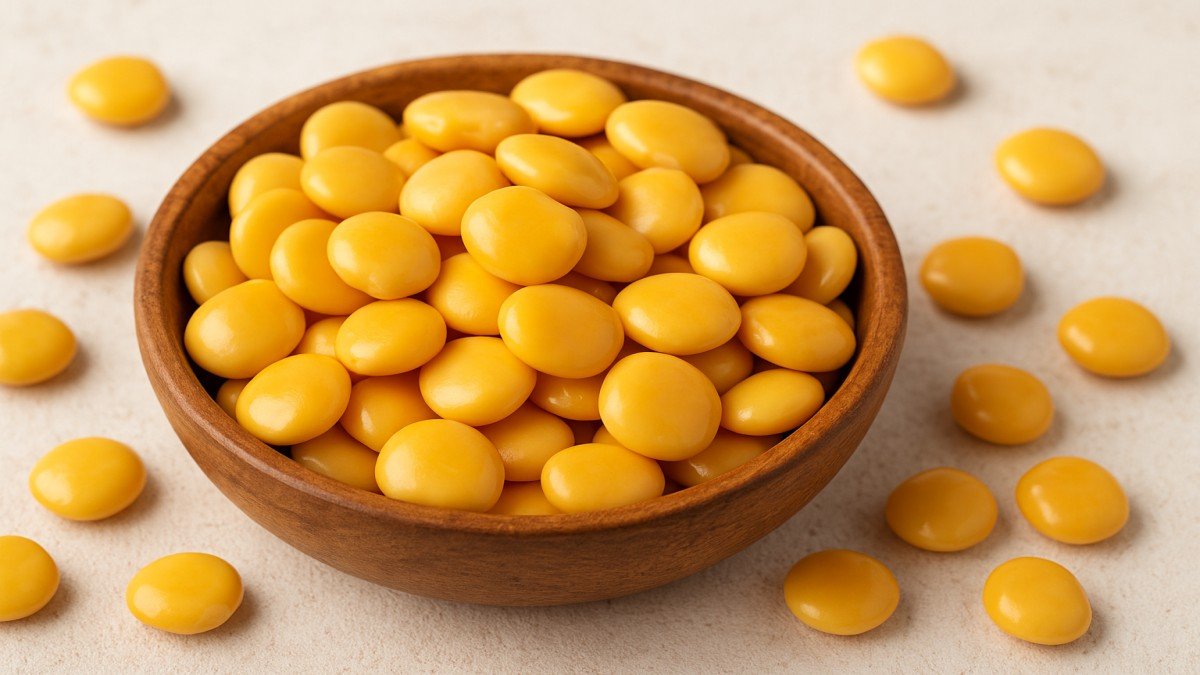
Ever stumbled upon a jar of golden, glossy beans at a Mediterranean market and wondered what they were? Those are lupini beans small yet mighty legumes that have been a staple in Mediterranean and South American diets for centuries. Packed with protein, fiber, and essential nutrients, these beans are the definition of an ancient superfood making a modern comeback.
What Are Lupini Beans?
Lupini beans, also known as lupins, are the seeds of the Lupinus plant, part of the legume family. They resemble large soybeans or yellow lentils and are often sold pickled in brine or dried. Traditionally eaten as a snack, they’re now gaining popularity among vegans and health enthusiasts for their impressive nutritional profile.
The History and Origin of Lupini Beans
Lupini beans have deep roots in ancient civilizations. The Egyptians, Romans, and Greeks cultivated them thousands of years ago. Roman soldiers even carried them as battlefield rations because of their long shelf life and energy-boosting nutrients. Today, they remain popular across Italy, Portugal, and Latin America, especially during festive seasons.
The Botanical Background
The lupin plant (Lupinus albus) grows beautiful blue or purple flowers and thrives in poor soil, enriching it with nitrogen — a farmer’s dream! The beans themselves are bitter in their raw state due to natural alkaloids, which must be removed before eating. This gives them a unique preparation process unlike other legumes.
How Lupini Beans Are Prepared
Preparing lupini beans isn’t a quick process — it’s a labor of love. After boiling, they must be soaked in water for several days, with the water changed regularly to remove bitterness. This process eliminates toxic alkaloids, leaving the beans safe and pleasantly nutty in flavor.
Nowadays, pre-soaked and ready-to-eat lupini beans are available in stores, making them convenient without the wait.
Why Lupini Beans Need to Be Soaked
Raw lupini beans contain bitter alkaloids that can cause nausea and digestive distress. Soaking helps leach out these compounds. Some traditional methods take up to two weeks of soaking! Thankfully, modern desalting techniques have sped up the process without losing nutritional value.
Taste and Texture of Lupini Beans
If you’ve never tried them, imagine a cross between a fava bean and a chickpea — firm, slightly crunchy, and subtly salty when pickled. Their chewy texture makes them ideal for snacking or tossing into salads for an extra bite.
Lupini Beans Nutrition Facts
Let’s talk numbers. One cup (166 grams) of cooked lupini beans contains approximately:
- 198 calories
- 26 grams of protein
- 4.6 grams of fat
- 16 grams of fiber
- Low carbs (less than 10g net carbs)
They’re also rich in magnesium, zinc, potassium, and folate, making them a nutrient-dense food.
Health Benefits of Lupini Beans
High in Protein
Move over soybeans — lupini beans have up to 40% protein, making them one of the best plant-based protein sources. Perfect for athletes, vegans, or anyone looking to build muscle naturally.
Excellent Source of Fiber
Their high fiber content supports digestion, keeps you feeling full, and aids in weight management. It’s like a natural appetite suppressant that doesn’t skimp on nutrition.
Supports Digestive Health
Fiber isn’t just about fullness — it also feeds your gut microbiome. Lupini beans act as prebiotics, helping beneficial bacteria thrive and improving gut health.
Helps Manage Blood Sugar
The low glycemic index of lupini beans makes them a diabetic-friendly food. They help regulate blood sugar levels by slowing carbohydrate absorption.
Boosts Heart Health
Lupini beans are cholesterol-free and low in fat. Studies suggest that regular consumption can reduce LDL (bad) cholesterol, helping to keep your heart strong and healthy.
Final Thoughts
Lupini beans may not be as famous as chickpeas or lentils, but they’re undoubtedly one of the most underrated superfoods around. With their high protein, low carb content, and sustainable growth, they deserve a spot in every pantry. Whether you enjoy them as a salty snack or a hearty salad topper, lupini beans prove that ancient foods truly stand the test of time.
FAQs
1. Are lupini beans keto-friendly?
Yes! They’re high in protein and fiber but low in net carbs, making them ideal for keto diets.
2. Can I eat lupini beans raw?
No — raw lupini beans contain bitter alkaloids and must be soaked or purchased pre-cooked.
3. Do lupini beans taste like chickpeas?
Not exactly. They’re firmer, slightly bitter, and less creamy — more like a crunchy snack than a soft legume.
4. Are lupini beans good for weight loss?
Absolutely! Their high protein and fiber help control hunger and boost metabolism.
5. Can dogs eat lupini beans?
It’s best to avoid feeding them to pets since lupins can contain compounds harmful to animals.