


Introduction
Meth Sores. Methamphetamine, often referred to as meth, ice, or crystal, is a powerful stimulant that takes a devastating toll on both the mind and body. Among its many harmful side effects, one of the most visible and disturbing consequences is the appearance of meth sores. These painful, open wounds not only affect physical appearance but also highlight the deeper dangers of meth use.
What Are Meth Sores?
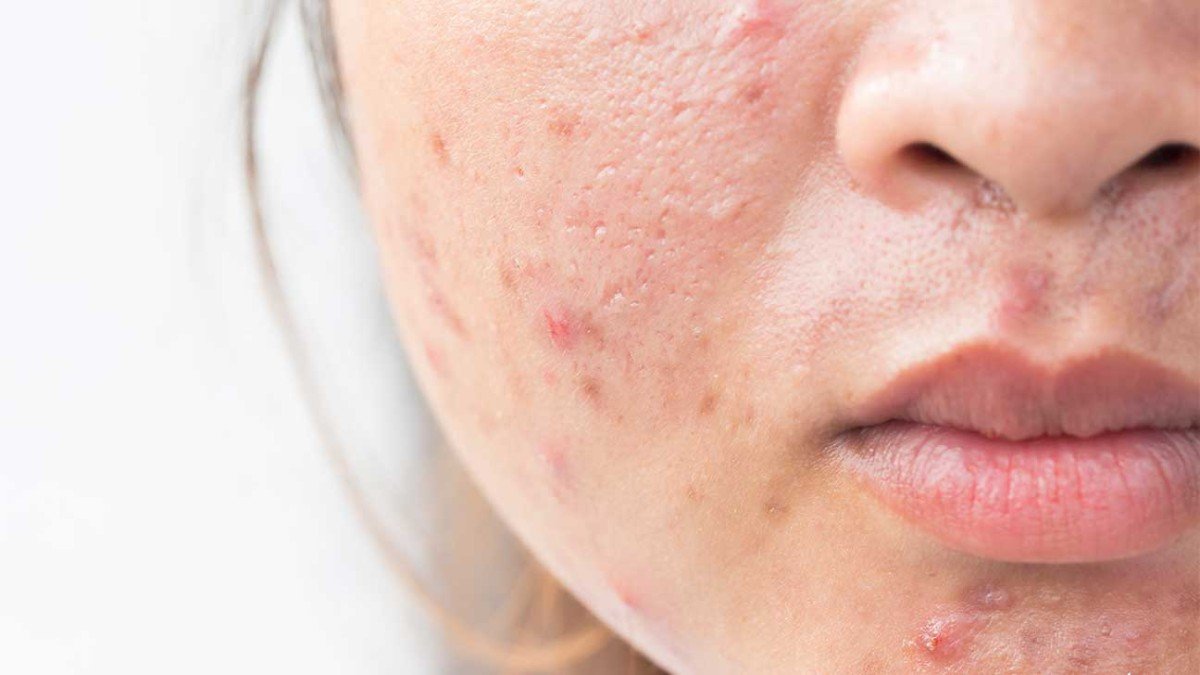
Meth sores are open wounds, lesions, or scabs that develop on the skin of meth users. They are typically red, inflamed, and prone to infection. While they may start small, they can grow into larger wounds if left untreated.
Causes of Meth Sores
Meth sores do not appear by accident. Several interconnected factors contribute to their development:
- Skin Picking and Scratching: Many meth users experience a sensation called formication, where it feels like bugs are crawling under the skin. This leads to obsessive scratching.
- Poor Hygiene: Meth users often neglect personal care, increasing the risk of infections.
- Weakened Immune System: Meth damages the body’s natural defenses, making healing difficult.
- Chemical Toxicity: Meth contains harsh chemicals that harm blood vessels and skin tissue.
The Link Between Meth and Skin Damage
Meth alters brain chemistry, causing hallucinations, anxiety, and paranoia. A common effect is the feeling of “meth mites” crawling on or under the skin, leading users to scratch and pick relentlessly. Over time, this behavior turns into visible wounds.
Types of Meth Sores
- Facial Sores: Most commonly appear on the face, especially around the mouth and cheeks.
- Arm and Leg Sores: Areas exposed due to scratching and injecting.
- Infections: Open wounds can quickly become infected with bacteria.
Symptoms of Meth Sores
- Small red bumps resembling acne
- Oozing or bleeding wounds
- Large ulcer-like sores in severe cases
- Persistent scabbing and scars
Dangers of Meth Sores
Meth sores are more than a cosmetic issue:
- Infections: Open sores can lead to dangerous staph or MRSA infections.
- Permanent Scarring: Skin damage often leaves lifelong scars.
- Bloodborne Diseases: Shared needles and open wounds increase HIV and hepatitis risks.
How Meth Sores Affect Mental Health
Living with meth sores can worsen depression, anxiety, and paranoia. The visible damage often results in social isolation and stigma, further pushing individuals deeper into addiction.
Diagnosis of Meth Sores
Doctors can usually identify meth sores based on appearance, medical history, and behavior. However, they must also rule out other conditions like eczema, acne, or infectious diseases.
Treatment Options
Healing meth sores requires a combination of medical and behavioral interventions:
- Wound Cleaning: Proper hygiene and antiseptics prevent infections.
- Antibiotics: For bacterial infections.
- Scar Treatments: Laser therapy, creams, and surgeries may help reduce scars.
Breaking the Cycle: Addiction and Recovery
Meth sores will not truly heal until meth use stops. Recovery often involves detox, counseling, rehabilitation programs, and long-term support.
Home Remedies and Supportive Care
- Gentle skin cleansing
- Eating foods rich in vitamins and protein to support healing
- Drinking plenty of water to flush toxins
- Getting proper rest for cell regeneration
Preventing Meth Sores
The only true prevention is avoiding meth use. For recovering users, maintaining a healthy lifestyle with nutrition, hydration, therapy, and support groups can reduce relapse risks.
Stories of Recovery
Many former meth users share powerful stories of transformation. With proper care and commitment, they have regained their health, confidence, and self-worth. These success stories prove that healing is possible.
Conclusion
Meth sores are one of the most visible signs of the destructive power of methamphetamine. They not only harm the body but also impact mental health and social relationships. The good news is that with proper medical care and recovery support, healing is possible and so is a life free from meth.
FAQs
1. Can meth sores heal on their own?
Yes, minor sores may heal, but without quitting meth, they are likely to return or worsen.
2. How long does it take for meth sores to heal?
With treatment and sobriety, healing can take weeks to months, depending on severity.
3. Are meth sores contagious?
No, but infections in sores may spread through contact.
4. What’s the best way to hide meth sores?
Makeup may conceal scars, but true healing requires stopping meth and medical care.
5. Can scars from meth sores be removed permanently?
Some scars may fade with treatments like laser therapy, but deep scars may remain.