



Introduction
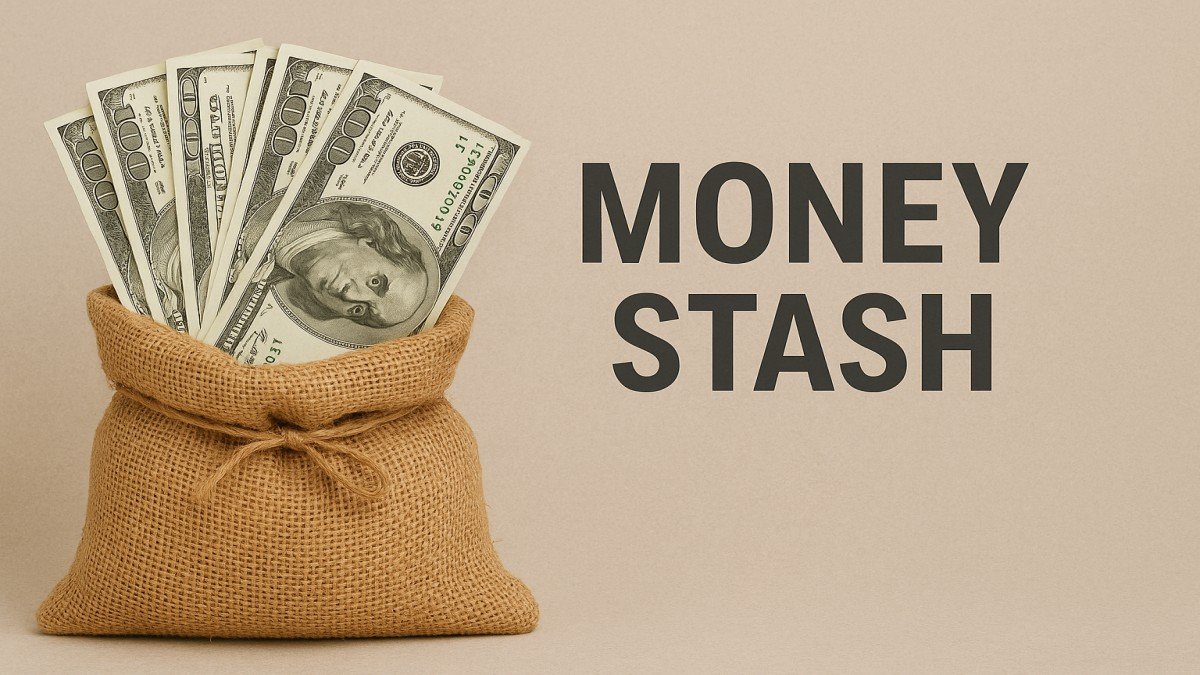
Ever heard the phrase “money tucked away for a rainy day”? That’s exactly what a money stash is all about. Whether it’s a few bills hidden in a sock drawer or cash secured in a fireproof safe, stashing money is an age-old practice that still makes sense today. Let’s dive into why people stash cash, the smartest ways to do it, and how to balance safety with convenience.
What Is a Money Stash?
At its core, a money stash is simply cash set aside in a safe or hidden spot, separate from your bank account or digital funds. People stash money to cover emergencies, unexpected bills, or even travel needs. Unlike digital savings, a stash gives instant access no banks, no apps, no waiting.
The Psychology Behind Money Stashing
Why do so many people feel safer with hidden cash? The answer is psychological.
- Sense of security: Knowing you have physical cash gives peace of mind.
- Emergency preparedness: Power outage? Bank closed? You’ve still got funds.
It’s like having a personal safety net right under your roof.
Different Types of Money Stashes
Not all stashes are created equal. Here are the common types:
- Cash at home: The traditional method—hidden bills in secret spots.
- Bank savings: Technically a stash, but less “hidden.”
- Digital wallets: Modern stash options stored in apps like PayPal or Venmo.
Pros and Cons of Keeping a Money Stash at Home
Advantages
- Immediate access
- No bank fees
- Useful in emergencies
Disadvantages
- Risk of theft
- Vulnerable to fire or flood
- Easy to forget hidden spots
Smart Hiding Spots for a Money Stash
If you’re keeping cash at home, placement matters. Some clever options include:
- Inside an old book with cut-out pages
- Hidden in a false drawer bottom
- In sealed bags inside the freezer
- Behind wall art or picture frames
Avoid obvious places like under the mattress—it’s the first spot thieves check.
How Much Should You Keep in a Money Stash?
Financial experts suggest keeping at least $200–$500 in small bills at home. Enough for emergencies but not so much that you’d lose big if it were stolen. Balance is key—stash some cash, but keep the rest digital.
Money Stash vs. Emergency Fund
An emergency fund sits in a bank, covering months of expenses. A money stash, however, is usually small, short-term cash for immediate access. Ideally, you should have both—your stash for instant needs and your emergency fund for long-term stability.
Cultural Views on Money Stashes
Different cultures treat money stashes differently. Some families pass down the habit of keeping hidden cash in the home, while modern thinkers prefer digital storage. It’s a mix of tradition and technology.
How to Protect Your Money Stash
- Use a fireproof safe for valuables.
- Consider small, scattered stashes instead of one big one.
- Don’t tell too many people about your hiding spot.
Digital Alternatives to a Physical Money Stash
Technology has introduced safer stash methods:
- Mobile wallets like Google Pay or Apple Pay
- Cryptocurrency for those open to digital assets
- Online banking with instant transfers
These eliminate theft risks but rely on internet access.
Money Stash for Travel
Travelers especially need hidden money stashes. A few tips:
- Split cash into different bags or pockets.
- Carry small bills for local expenses.
- Hide emergency cash in a travel belt.
Common Mistakes with Money Stashes
- Forgetting where you hid the money
- Storing too much at once
- Not rotating old bills (they can deteriorate)
- Putting all stash in one location
How to Teach Kids About a Money Stash
Children can learn financial responsibility early on. Start with:
- Giving them piggy banks for savings
- Explaining why stashing money is useful
- Encouraging small emergency funds for personal use
These small lessons grow into lifelong habits.
Conclusion
A money stash is more than just a pile of bills—it’s a safety net, a tradition, and a practical financial tool. Whether hidden in your home, stored digitally, or carried while traveling, stashes provide comfort and convenience. The trick is balance: keep enough for emergencies but not so much that it becomes a risk.
So, where’s your stash? If you don’t have one yet, maybe it’s time to start.
FAQs
1. How much cash should I stash at home?
Around $200–$500 is usually enough for emergencies.
2. Is it safe to hide money at home?
Yes, if done wisely with secure hiding spots and safety measures.
3. Can I replace a money stash with digital wallets?
Digital wallets are great, but physical cash is still vital for emergencies.
4. What’s the difference between a stash and an emergency fund?
A stash is short-term, quick-access cash; an emergency fund covers long-term needs.
5. Should I tell my family about my stash?
Yes, at least one trusted family member should know in case of emergencies.