

Introduction
If you’re a peanut butter lover but also health-conscious, switching to organic peanut butter might be one of the best choices you can make. This creamy (or crunchy!) spread is more than just delicious it’s packed with nutrients, free from harmful additives, and versatile enough to fit into almost any meal of the day.
What Is Organic Peanut Butter?
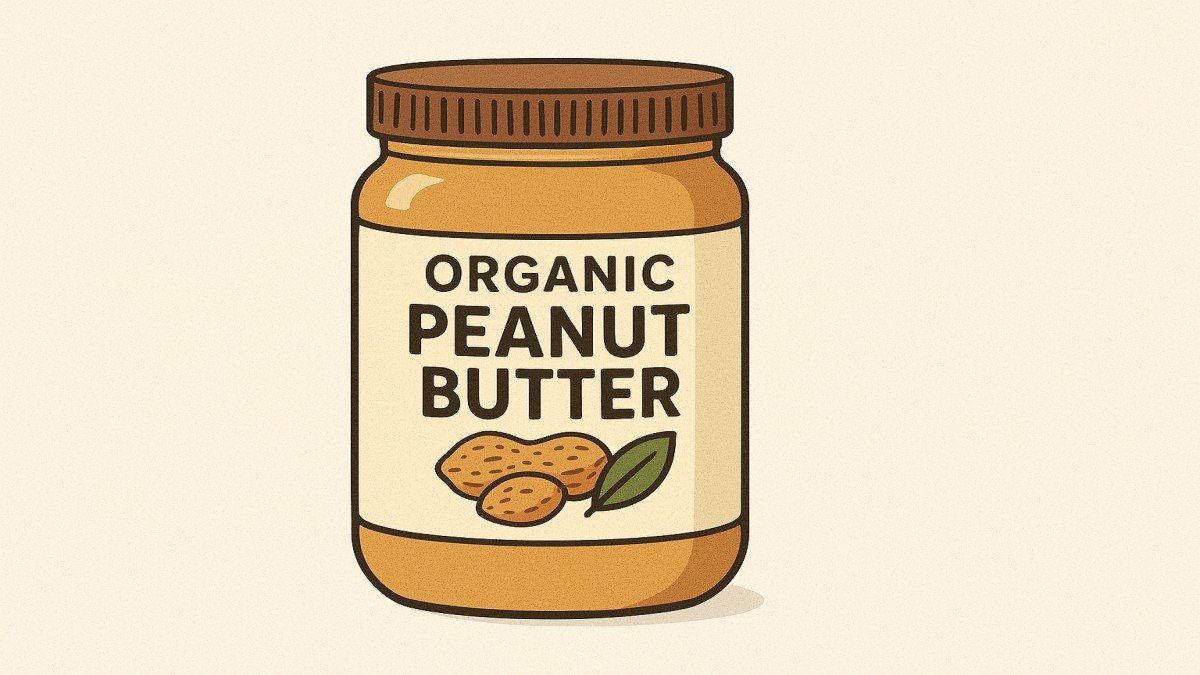
Organic peanut butter is made from organically grown peanuts, often with minimal added ingredients. Unlike conventional peanut butter, which may contain hydrogenated oils, excess sugar, and artificial additives, organic peanut butter typically includes just peanuts and maybe a pinch of salt.
How It Differs from Regular Peanut Butter
- Processing methods: Organic versions avoid chemical fertilizers and pesticides.
- Additives and preservatives: Regular peanut butter often contains stabilizers and sweeteners, while organic keeps it clean and simple.
Nutritional Profile of Organic Peanut Butter
Organic peanut butter isn’t just tasty—it’s a nutrient powerhouse.
- Healthy fats: Rich in monounsaturated and polyunsaturated fats that support heart health.
- Protein: Around 7–8 grams per serving, making it great for muscle repair.
- Vitamins and minerals: Includes vitamin E, magnesium, potassium, and iron.
Top Health Benefits of Organic Peanut Butter
Supports Heart Health
Its healthy fats help lower bad cholesterol while boosting good cholesterol.
Aids Weight Management
Peanut butter keeps you fuller for longer, making it easier to control cravings.
Boosts Energy Levels
A quick spoonful can provide lasting energy thanks to its protein and fat combo.
Good for Muscle Recovery
Athletes benefit from the protein content, which helps repair muscles after workouts.
Why Choose Organic Over Conventional?
- Pesticide-free benefits – No exposure to harmful chemicals.
- Cleaner ingredients – Often free of hydrogenated oils, refined sugar, and unnecessary additives.
Best Ways to Use Organic Peanut Butter
- Breakfast ideas – Spread on toast, swirl into oatmeal, or mix with yogurt.
- Snacks and smoothies – Add to protein shakes or pair with apple slices.
- Baking and desserts – Perfect for cookies, brownies, or energy balls.
- Savory dishes – Great for peanut sauces, stir-fries, or salad dressings.
Who Should Include Organic Peanut Butter in Their Diet?
- Athletes and fitness enthusiasts – For protein and recovery.
- Kids and teens – As a nutrient-rich snack option.
- Busy professionals – A quick energy booster for long workdays.
Possible Downsides and Considerations
- Calorie-dense food – Overeating can lead to weight gain.
- Nut allergies – Not suitable for those allergic to peanuts.
How to Choose the Best Organic Peanut Butter
- Check labels – Look for “100% organic peanuts” with minimal added ingredients.
- Types of peanuts – Valencia and Runner peanuts are common in organic spreads.
- Texture preferences – Smooth for spreading, crunchy for added bite.
Storage Tips for Freshness
Since organic peanut butter doesn’t have preservatives, it may separate naturally. Stir before use and store in a cool, dry place. Refrigeration helps extend freshness.
Homemade Organic Peanut Butter: A Quick Guide
Making it at home is simple:
- Roast organic peanuts.
- Blend until creamy.
- Add a pinch of sea salt if desired.
That’s it—no additives, just pure goodness.
Popular Brands to Try
Some widely loved organic peanut butter brands include:
- Santa Cruz Organic
- MaraNatha
- 365 Organic by Whole Foods
- Smucker’s Organic
Sustainable and Eco-Friendly Aspects
Many organic peanut butter brands use eco-friendly farming practices and recyclable packaging, making it a better choice for the planet as well as your health.
Conclusion
Organic peanut butter is more than just a tasty spread—it’s a nutrient-dense, versatile, and eco-friendly food that fits into almost any lifestyle. Whether you’re an athlete, a parent packing school lunches, or simply someone who loves peanut butter, going organic ensures you get all the goodness without the unnecessary extras.
FAQs
1. Is organic peanut butter healthier than regular peanut butter?
Yes, it avoids harmful chemicals and usually has cleaner ingredients.
2. Does organic peanut butter need to be refrigerated?
Not always, but refrigeration extends freshness and prevents oil separation.
3. Can organic peanut butter help with weight loss?
Yes, in moderation—it keeps you full and satisfied.
4. Is there sugar in organic peanut butter?
Most contain little to no added sugar, unlike many conventional brands.
5. Can I make organic peanut butter at home?
Absolutely! Just blend roasted organic peanuts until smooth.