




Introduction to the Original Sonic Design
The original Sonic design wasn’t just a character—he was a revolution. When Sonic the Hedgehog dashed onto the gaming scene in 1991, he brought attitude, speed, and a fresh identity that positioned SEGA as a real competitor in the console wars. Even today, decades later, fans still admire the simplicity and charm of Sonic’s early look.
Why Sonic’s Original Look Still Matters
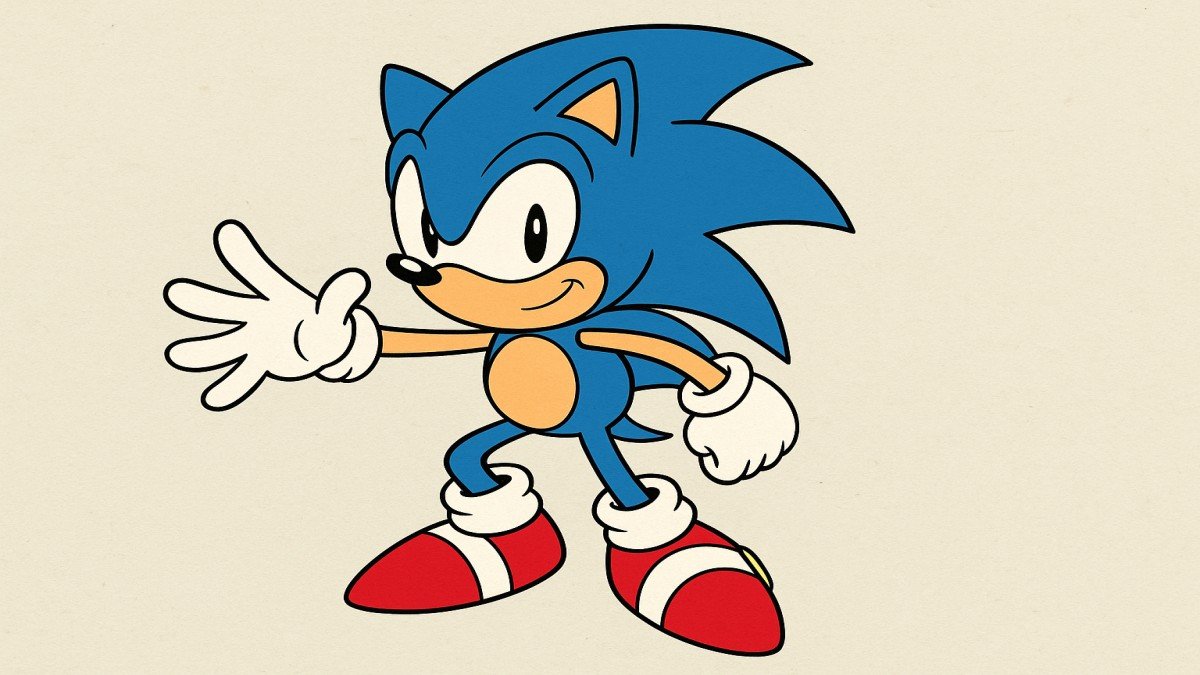
Classic Sonic represents an era of gaming where creativity met bold design. His distinctly round body, big eyes, and simple color palette made him instantly recognizable even at 16-bit resolution.
The Birth of an Icon
SEGA’s Need for a Mascot
In the early 90s, SEGA needed a mascot to rival Nintendo’s Mario. They wanted someone edgy, fast, and appealing to a more “cool” audience.
Competing Against Nintendo
The original Sonic was created to give players a sense of attitude and speed Mario simply didn’t have. This competitive push shaped Sonic’s core design features.
Key Features of the Original Sonic Design
Blue Color Symbolism
Sonic’s blue fur matched SEGA’s logo—simple branding brilliance.
Red Shoes Inspired by Michael Jackson
His bright red shoes were influenced by MJ’s famous boots from the “Bad” era, adding flair and contrast.
White Gloves and Classic Cartoon Roots
Just like Mickey and Bugs Bunny, Sonic’s gloves helped animate expressive hand movements.
Spikes and Silhouette
The bold spikes made Sonic’s silhouette unmistakable—even in tiny pixel form.
The Design Philosophy Behind Sonic
Speed as a Visual Identity
Every part of Sonic’s design had one mission: show speed. From his aerodynamic spikes to his streamlined shape, Sonic looked fast even when standing still.
Expressive Yet Simple
The early designers kept him simple so animations looked smooth on early hardware.
Early Game Appearances
Sonic the Hedgehog (1991)
The original game showed Sonic tapping his foot impatiently, grinning mischievously, and blazing through loops. These animations defined his personality.
In-Game Personality
He wasn’t just fast—he had attitude.
Sonic in Comics & Cartoons
Adventures of Sonic the Hedgehog
Goofy, energetic, and colorful, this adaptation kept Sonic close to his original design.
Sonic SatAM
A darker tone but still honoring the classic look.
Comparisons to Later Designs
Dreamcast Era Sonic
Taller, with longer legs and a sleeker look.
Modern vs Classic Sonic
Classic Sonic = cute and round.
Modern Sonic = athletic and sharp.
Both iconic, but only one is the original.
Why Fans Still Love the Original Sonic
Nostalgia Factor
He reminds players of childhood memories and simpler gameplay.
Timeless Style
The design still looks good today—proof of strong visual principles.
Influence on Modern Gaming Characters
Sonic opened the door for characters like Crash Bandicoot and Spyro—edgy mascots with personality.
Controversies and Redesigns
2019 Movie Redesign Disaster
The original movie Sonic design was… well… horrifying. Fans demanded change.
Return to Classic
After backlash, the film returned to a design closer to the original and was instantly embraced.
The Original Sonic in Today’s Media
Sonic Generations
This game celebrated Sonic’s legacy by bringing Classic and Modern Sonic together.
Sonic Origins
Reintroducing fans to the classics using the original design.
The Future of Classic Sonic
Will He Return Permanently?
Likely, yes. Sega keeps bringing him back because fans love him.
Why Sega Revisits the Original Design
It’s nostalgic, marketable, and instantly recognizable.
Conclusion
The original Sonic design remains one of the most influential character designs in gaming history. Its simplicity, versatility, and attitude helped define an entire era of entertainment. Whether you’re a longtime fan or discovering Sonic for the first time, the power of his classic look continues to shine through every generation.
FAQs
1. Why was Sonic originally designed to be blue?
To match SEGA’s brand identity and create a bold, memorable character.
2. Who designed the original Sonic?
Naoto Ohshima is credited as the primary character designer.
3. Why did the 2019 movie Sonic get redesigned?
Fans strongly disliked the realistic design, prompting a complete overhaul.
4. What makes Classic Sonic different from Modern Sonic?
Classic Sonic is shorter, rounder, and more simplistic, while Modern Sonic is taller and sleeker.
5. Will Classic Sonic return to mainline games?
It’s very possible—SEGA often reintroduces him due to overwhelming fan demand.