



Working with children in healthcare requires a special blend of compassion, patience, and technical skill. A Pediatric CNA, or Pediatric Certified Nursing Assistant, is a trained support professional who provides hands-on care to infants, children, and adolescents in hospitals, pediatric clinics, rehabilitation centers, and long-term care facilities. While all CNAs assist patients with daily activities and basic medical tasks, pediatric CNAs specialize in caring for younger patients whose needs differ significantly from those of adults.
This article explores what a pediatric CNA does, the qualifications required, essential skills, work environments, and how to start a career in this rewarding field.
What Is a Pediatric CNA?
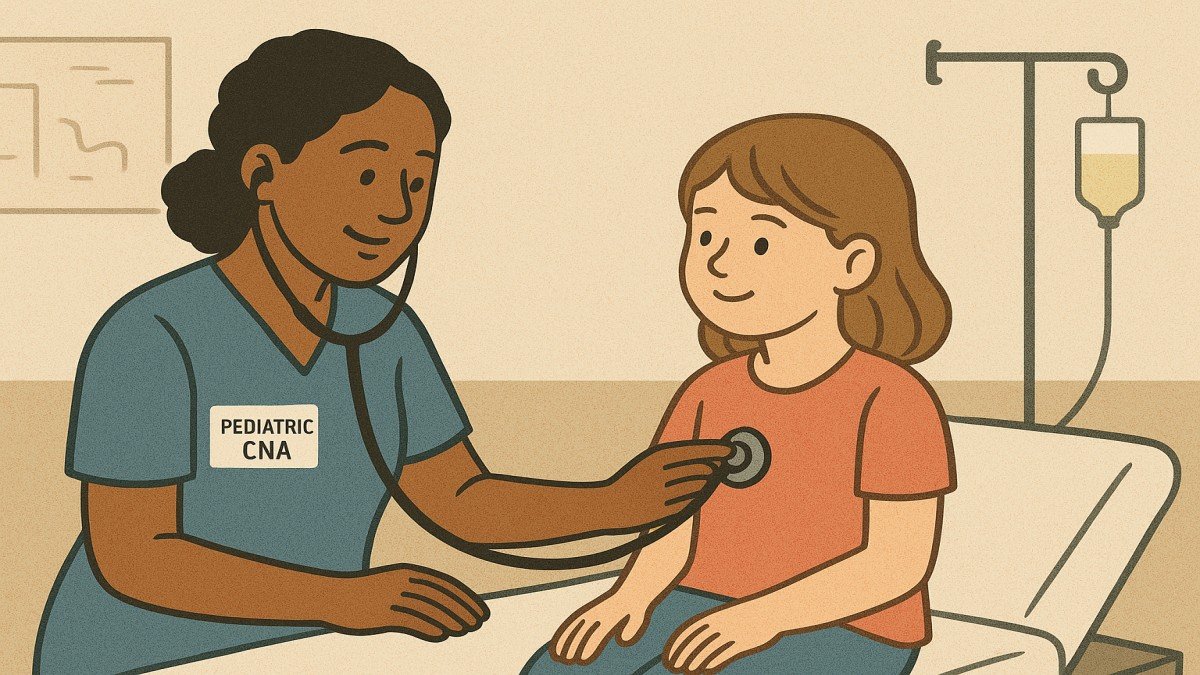
A pediatric CNA is a certified nursing assistant trained to provide care for children from infancy through adolescence. They work under the supervision of registered nurses (RNs) and licensed practical nurses (LPNs) to support young patients who are ill, injured, or recovering from medical procedures.
Unlike general CNAs, pediatric CNAs must understand child development, emotional needs, communication differences, and specialized pediatric care techniques.
Where Pediatric CNAs Work
Pediatric CNAs can be found in various healthcare settings, including:
1. Pediatric Hospitals
These CNAs work in specialized units such as:
- neonatal care
- pediatric oncology
- pediatric surgical units
- intensive care units (PICU)
2. Pediatric Clinics
They assist with outpatient visits, vaccinations, and routine checkups.
3. Rehabilitation Centers
They support children recovering from injuries, surgeries, or congenital conditions.
4. Home Health Care
Families may hire pediatric CNAs to provide in-home care for children with chronic illnesses, disabilities, or medical equipment needs.
5. Long-Term Care or Residential Facilities
These institutions provide 24-hour care for children with severe disabilities or long-term medical conditions.
Key Responsibilities of a Pediatric CNA
Working as a pediatric CNA involves a combination of clinical tasks and emotional support. The role includes:
1. Assisting with Daily Activities
These tasks help maintain comfort and hygiene:
- bathing
- dressing
- feeding
- toileting or diaper changes
- mobility support
2. Monitoring Vital Signs
They check and record:
- temperature
- pulse
- respiration
- blood pressure
- oxygen saturation
3. Supporting Medical Procedures
Under nurse supervision, pediatric CNAs may:
- prepare children for tests or surgeries
- position patients correctly
- clean and sterilize equipment
4. Observing and Reporting
Pediatric CNAs often notice changes first. They must report:
- behavioral changes
- appetite issues
- unusual reactions or discomfort
5. Providing Emotional Support
Children often feel scared or confused in medical environments. CNAs help by:
- offering reassurance
- engaging in conversation or play
- comforting families
- providing distraction during procedures
6. Maintaining Clean and Safe Environments
They ensure rooms, beds, and medical areas remain sanitized and safe for young patients.
Skills Needed to Become a Pediatric CNA
Pediatric CNAs require both technical and interpersonal abilities. Important skills include:
1. Patience and Compassion
Children may be fearful, uncooperative, or unable to communicate clearly.
2. Strong Communication
CNAs must explain procedures at a child-appropriate level and interact effectively with families and medical teams.
3. Physical Stamina
The job often requires lifting, carrying, and long hours on foot.
4. Attention to Detail
Pediatric patients can decline quickly, so careful monitoring is essential.
5. Problem-Solving Skills
Each child is unique and may require different care strategies.
6. Knowledge of Child Development
Understanding age-related needs helps CNAs respond appropriately.
7. Ability to Build Trust
Children respond best to caregivers who make them feel safe and understood.
Conclusion
A pediatric CNA plays a vital role in supporting young patients and their families during challenging times. From helping with daily care to assisting medical teams, pediatric CNAs bring comfort, stability, and compassion to children who need it most. This career path offers meaningful work, growth opportunities, and the chance to positively impact young lives. For those who enjoy caregiving and have a passion for working with children, becoming a pediatric CNA can be a deeply rewarding choice.
FAQs
1. Do pediatric CNAs need special certification?
Not always, but pediatric-focused training or experience is highly beneficial.
2. Can a CNA work in a neonatal unit?
Yes, some hospitals hire CNAs to support neonatal nurses, though extra training may be required.
3. Are pediatric CNA jobs emotionally difficult?
They can be, but many find the work fulfilling due to the positive impact on children.
4. What hours do pediatric CNAs work?
Shifts may include days, nights, weekends, or 12-hour rotations, especially in hospitals.
5. Can a pediatric CNA work in a school setting?
Some schools hire CNAs to assist children with medical or disability-related needs.