


Introduction to Pipian
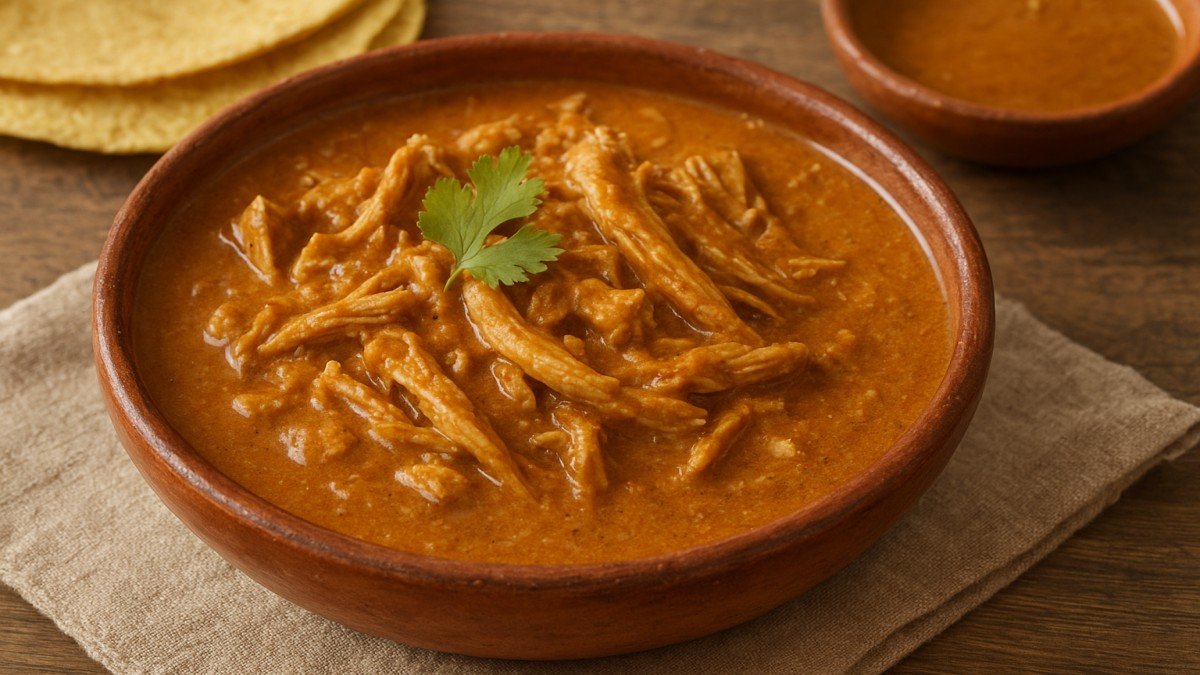
If you’ve ever tasted Mexican mole and thought it couldn’t get richer or earthier, meet pipian the creamy, nutty cousin of mole that’s deeply rooted in Mexico’s pre-Hispanic past. Made from toasted pumpkin seeds, chilies, and a variety of spices, pipian is a silky sauce that brings together ancient traditions and modern flavors in a single spoonful.
The Origins of Pipian
Pipian dates back to the Aztec and Mayan civilizations, long before Spanish colonization. The word “pipian” comes from “pipián”, derived from the Náhuatl word “pipiltzin”, meaning “noble” a fitting name for a sauce once reserved for special occasions. Back then, pumpkin seeds were a staple crop, often ground and mixed with chilies to create sauces for meat and vegetables.
The Role of Pipian in Mexican Cuisine
In Mexico, pipian is more than just a sauce — it’s a culinary tradition passed down through generations. You’ll find it in home kitchens, local markets, and fine restaurants. It’s commonly served over chicken, pork, or turkey, though in vegetarian dishes, it pairs wonderfully with roasted vegetables or rice.
Understanding Pipian Sauce
At its core, pipian is a seed-based sauce. While mole is made primarily with chocolate and a mixture of nuts and chilies, pipian relies heavily on pumpkin or squash seeds (pepitas), giving it a unique texture and flavor profile — nutty, earthy, and slightly spicy.
The Main Ingredients
a. Pumpkin Seeds (Pepitas)
These are the soul of pipian. The seeds are toasted to perfection, then ground into a thick paste that forms the base of the sauce.
b. Chilies
Varieties like pasilla, guajillo, or ancho add depth and a touch of heat. Green pipian often uses tomatillos and green chilies for a fresher flavor.
c. Spices and Herbs
Cumin, coriander, garlic, onion, and sometimes epazote or cilantro enhance the flavor layers, balancing the nuttiness with aromatic complexity.
Types of Pipian
a. Green Pipian (Pipian Verde)
Made with green chilies, tomatillos, and herbs, pipian verde has a fresh, zesty profile. It pairs beautifully with chicken, fish, and even enchiladas.
b. Red Pipian (Pipian Rojo)
This version uses dried red chilies and sometimes tomatoes, resulting in a deeper, smokier flavor. It’s often served with pork or turkey.
How Pipian Differs from Mole
While both sauces share ancient roots, pipian stands apart because it’s seed-based rather than chocolate-based. It’s also typically lighter in color and texture, with a cleaner, nut-forward taste. Mole, on the other hand, is denser and often sweeter due to the inclusion of cocoa or chocolate.
Traditional Preparation Methods
The process of making pipian is an art form in itself. Seeds are toasted until fragrant, then ground with chilies and spices using a metate (a traditional stone grinder). The paste is simmered in broth until it transforms into a velvety, flavorful sauce.
Step-by-Step Guide to Making Pipian
- Toast the seeds and chilies until golden and aromatic.
- Blend them with onions, garlic, and herbs.
- Add broth or water slowly until the mixture is smooth.
- Simmer the sauce gently, allowing flavors to meld.
- Serve over your choice of meat or vegetables.
Best Dishes to Pair with Pipian
- Chicken or turkey draped in pipian sauce
- Pork medallions with red pipian
- Enchiladas pipian-style
- Roasted vegetables with green pipian
- Tamales filled with pipian-flavored sauce
Regional Variations Across Mexico
Each Mexican region adds its own twist. In Puebla, pipian rojo dominates, while Oaxaca prefers versions rich in local herbs. In Veracruz, seafood occasionally meets pipian’s nutty touch, blending land and sea flavors perfectly.
Conclusion
Pipian isn’t just a sauce — it’s a story of Mexico’s past and present. Its nutty richness, cultural depth, and versatility make it one of the most cherished culinary treasures of Mexico. Whether you try it at a family table or a modern restaurant, every bite of pipian connects you to centuries of history and flavor.
FAQs
1. What is pipian made of?
Pipian is made primarily of pumpkin seeds, chilies, and spices, forming a creamy, nutty sauce.
2. Is pipian spicy?
It can be mild or moderately spicy, depending on the type and quantity of chilies used.
3. What’s the difference between red and green pipian?
Green pipian uses tomatillos and green chilies, while red pipian uses dried red chilies for a smokier taste.
4. Can pipian be made vegan?
Absolutely! Just replace the meat broth with vegetable stock, and it becomes a hearty vegan dish.
5. How long does pipian last?
Stored in an airtight container, pipian can last up to a week in the refrigerator or a month in the freezer.