


Plasticity is one of those fascinating concepts that shows just how adaptable life can be. Whether we’re talking about the human brain, animal behavior, or even materials under pressure, plasticity describes the ability to change, adjust, and reshape over time. Without plasticity, we wouldn’t be able to learn, grow, or even survive new environments.
Types of Plasticity
Neural Plasticity
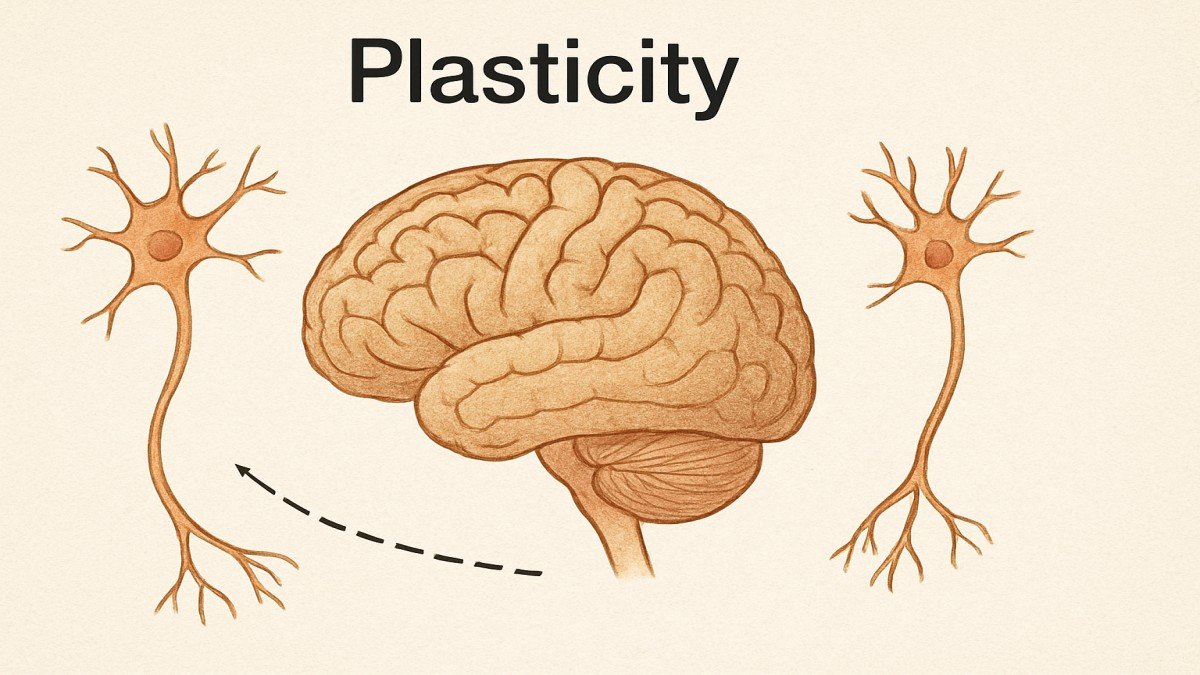
Neural plasticity, also known as brain plasticity, is your brain’s ability to physically change and reorganize itself. Every time you learn something new—whether it’s riding a bike or memorizing a phone number—your brain rewires itself. It’s like updating software, but way more advanced.
Behavioral Plasticity
Behavioral plasticity refers to how humans and animals modify their actions based on experiences. Think about how you change your behavior after touching something hot once—you quickly learn not to do it again. That’s behavioral plasticity in action.
Material Plasticity
Material plasticity describes how substances deform when force is applied. Plastic deformation means an object is permanently reshaped, unlike elastic deformation which bounces back. It’s why a metal spoon bends and stays bent after you apply enough pressure.
Neural Plasticity in Depth
Structural Plasticity
Structural plasticity involves the physical growth or pruning of neural connections. When you practice a skill repeatedly, the pathways in your brain strengthen and grow, just like building better roads.
Functional Plasticity
Functional plasticity is the brain’s ability to move functions from damaged areas to healthy areas. After a stroke, for instance, people often regain the ability to walk or speak because other brain regions learn to take over.
Synaptic Plasticity
Synaptic plasticity focuses on the strength of connections between neurons. The more frequently a connection is used, the stronger it becomes—like reinforcing a bridge used daily. This process, called long-term potentiation (LTP), is key to memory.
Plasticity Across the Lifespan
Childhood Plasticity
Children have incredibly flexible brains. That’s why they can learn languages so quickly or pick up new skills effortlessly. Their brains are in supercharged learning mode, forming new neural pathways at lightning speed.
Adult Plasticity
Many people believe adults can’t change, but that’s far from true. Adults can still form new connections—they just might need more repetition. Whether it’s learning guitar or adopting a new habit, plasticity remains active.
Aging and Plasticity
Even older adults maintain some degree of plasticity. While the rate slows, the brain can still adapt through learning, physical activity, and mental engagement. It’s never too late to change your brain.
Factors That Influence Plasticity
Environment
Stimulating environments boost plasticity. Social interaction, problem-solving, and exposure to new experiences all help rewire the brain.
Lifestyle
Healthy habits like exercise, good sleep, and proper nutrition fuel plasticity. Chronic stress, on the other hand, can weaken neural connections.
Genetics
Genes provide the blueprint for how adaptable your brain is, but they don’t control everything. Experience and environment still play major roles.
Importance of Plasticity
Learning & Memory
Every new skill, habit, or piece of knowledge depends on plasticity. Without it, learning simply wouldn’t exist.
Recovery from Injury
Plasticity is the foundation of rehabilitation after brain injury. With the right therapy, the brain can reorganize and recover lost functions.
Mental Health
Techniques like cognitive behavioral therapy (CBT) rely on plasticity. By consistently challenging negative patterns, the brain forms healthier pathways.
How to Enhance Plasticity
Practical Techniques
- Practice mindfulness
- Engage in challenging activities
- Learn new hobbies
Physical Habits
- Exercise regularly
- Get adequate sleep
- Reduce chronic stress
Conclusion
Plasticity is one of the body’s most remarkable abilities. Whether shaping the brain, behaviors, or physical materials, plasticity allows change, growth, and survival. Understanding how it works—and even better, how to boost it—can help you learn faster, heal better, and adapt more easily to life’s challenges.
FAQs
1. Can adults improve their brain plasticity?
Yes, through learning, exercise, and healthy lifestyle habits.
2. Does stress affect plasticity?
Chronic stress can weaken neural connections and reduce adaptability.
3. Is plasticity permanent throughout life?
While it decreases with age, plasticity never completely disappears.
4. How fast does plasticity work?
It depends—some changes happen instantly, while others take weeks or months of repetition.
5. What daily habits support plasticity?
Healthy sleep, physical activity, social interaction, and brain challenges all help.