



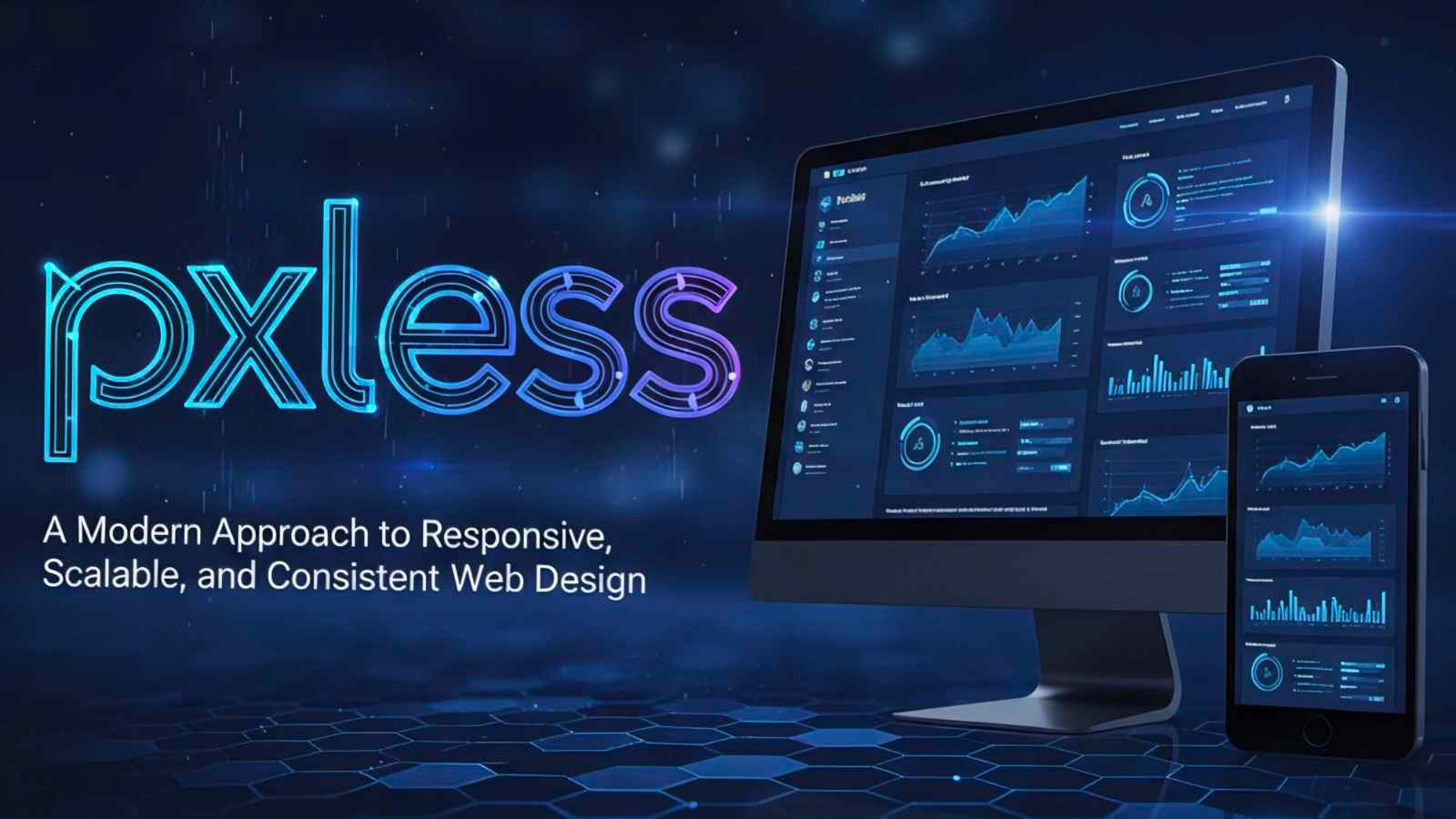
In today’s fast-paced digital landscape, designers and developers are constantly searching for methods that enhance scalability, consistency, and flexibility. The concept of pxless has emerged as a modern solution, offering a cleaner way to think about responsive design without relying heavily on fixed pixel measurements. This article explores how the pxless methodology is transforming front-end development, how it improves design workflows, and why it’s gaining popularity among UI/UX professionals and modern coding teams.
Understanding the Shift Toward Fluid Design Systems
For years, pixels dominated the world of web design. But as devices multiplied in size, scale, and resolution, fixed pixel-based layouts became increasingly unreliable. Designers began shifting to fluid design systems using units like rem, em, vw, and percentages. The idea behind pxless is simply to embrace these flexible units as the foundation of a layout rather than treating them as secondary options.
Fluid design systems allow websites to adapt gracefully to screens of all shapes and sizes. This improves usability, ensures aesthetic consistency, and minimizes the need for device-specific breakpoints. As more development teams adopt modular design tokens and scalable typographic systems, pxless thinking is becoming the new normal.
The Role of Design Tokens
Design tokens help unify spacing, typography, and color choices across an entire digital ecosystem. When those tokens rely on scalable units rather than pixels, teams can maintain consistency without the frustrations that come from resizing static elements.
Why Developers Are Moving Toward Flexible Units
Developers are increasingly embracing flexible units because they simplify responsive design workflow. Instead of manually recalculating pixel values for each breakpoint, the pxless approach encourages the use of relative measurement units that scale automatically.
This reduces the amount of custom CSS required and eliminates tedious micro-adjustments that often slow down development. It also makes styling systems more intuitive, especially when using CSS frameworks or custom design systems built from the ground up.
Improving Accessibility with Scalable Typography
Accessible typography is easier to achieve when type is based on rem and em units. Users who adjust their browser’s default font size benefit immediately from scalable systems, without breaking the layout.
Benefits of a Pxless Mindset in Modern UI/UX Design

Adopting a pxless strategy doesn’t just make development easier—it influences how designers think about structure, spacing, and visual hierarchy. By focusing on proportions rather than fixed values, teams create interfaces that feel more natural across devices.
Designers gain:
- More reliable spacing rhythm
- Better cross-platform consistency
- Reduced need for manual pixel-perfect alignment
- Interfaces that react naturally to user settings
These advantages become especially important for brands with multiple digital products, where consistency is essential for user trust and experience.
Enhancing Collaboration Between Designers and Developers
When both teams speak in the same measurement “language,” projects move more smoothly. Scalable units reduce miscommunication and lower the amount of back-and-forth adjustments.
Implementing Pxless Practices in Real Projects
Transitioning to a pxless workflow is easier than many teams expect. The process usually begins by adjusting base values, such as the root font size, and then applying proportional units throughout the design system.
Tools like CSS clamp(), fluid type scales, and spacing multipliers allow teams to craft responsive interfaces with less code and fewer breakpoints. Frameworks like Tailwind, Bootstrap, and Material Design also support relative units, making it simple for developers to adopt a pxless mindset without rewriting an entire project from scratch.
Common Mistakes to Avoid
Teams sometimes mix pixel and scalable values inconsistently, which creates unpredictable results. Establishing guidelines early prevents these issues and keeps the design system cohesive.
Future Trends: Why Pixel-Free Thinking Is Here to Stay
As digital experiences continue evolving, fixed pixels will become even less relevant. Device fragmentation is increasing, and teams rely more on AI-driven development tools, dynamic layouts, and cross-platform frameworks. These trends naturally support pxless approaches that adapt effortlessly to diverse environments.
Variable fonts, container queries, and fluid design tokens will further encourage designers to think proportionally rather than statically. In the coming years, scalable units will not just be a best practice—they will be the industry standard.
FAQ’s
What does pxless mean?
It refers to designing without relying heavily on fixed pixel units, using scalable and fluid units instead.
Is pxless good for responsive design?
Yes, scalable units make it much easier to create layouts that adapt smoothly to any screen size.
Do I need special tools to use pxless methods?
No, most modern CSS frameworks and design tools already support relative units.
Can pxless improve accessibility?
Absolutely—scalable text and layout units help users who adjust their default browser settings.
Conclusion
The pxless approach reflects the natural evolution of modern web design. By shifting from rigid pixel values to fluid, scalable systems, designers and developers create interfaces that feel more adaptable, accessible, and future-proof. As digital experiences become more diverse and dynamic, embracing px-free thinking ensures consistency across platforms while reducing development friction. The future of design is flexible—and pxless helps lead the way.