




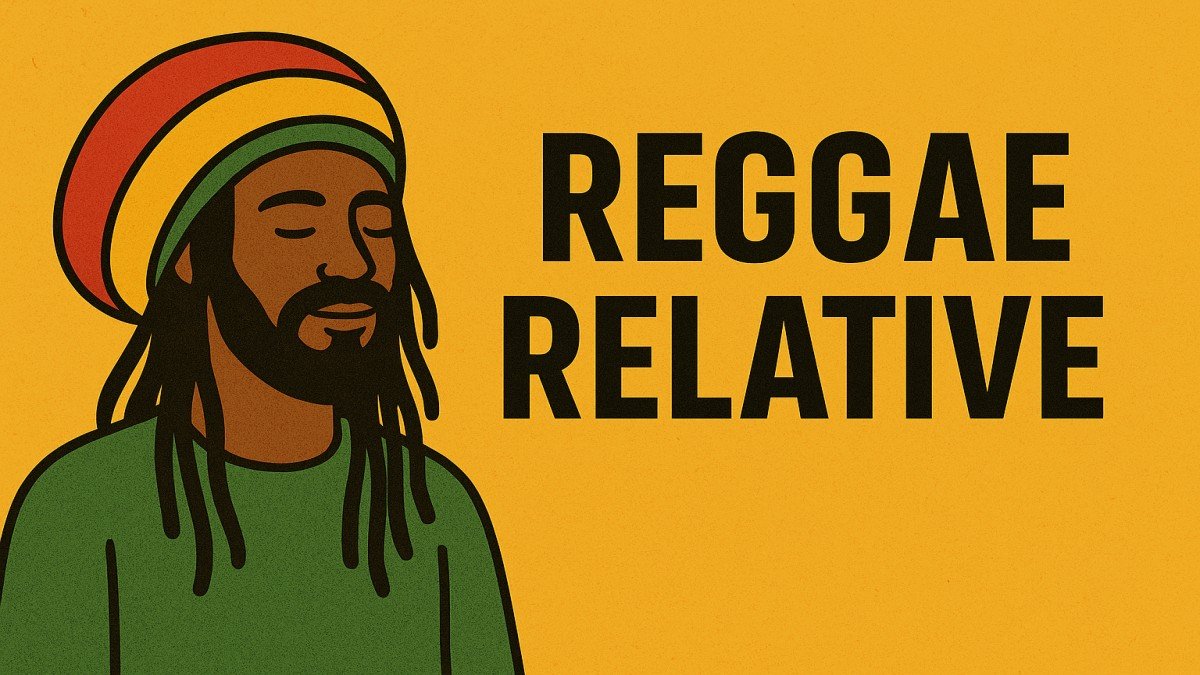
Reggae Relative is not just a genre of music—it is a cultural movement, a voice for the oppressed, and a rhythm that unites people worldwide. When we speak of a “reggae relative,” we are not only referring to the direct descendants of reggae music such as dancehall, dub, and ska but also to its spiritual kin: the communities, cultures, and movements that draw strength from its heartbeat.
This article explores the history, meaning, and relatives of reggae music while highlighting its global influence and lasting cultural power.
The Birth of Reggae: A Cultural Phenomenon
Reggae originated in Jamaica in the late 1960s, evolving from earlier styles like ska and rocksteady. Its distinct rhythm—characterized by off-beat guitar strums, heavy basslines, and socially conscious lyrics—quickly became the soundtrack of a movement.
The word reggae itself became associated with the struggles, aspirations, and spirituality of Jamaica’s people. It was not merely entertainment; it was a political and cultural force.
The Relatives of Reggae Music
1. Ska – The First Beat
Ska emerged in Jamaica in the late 1950s. With its upbeat tempos, brass sections, and danceable rhythms, ska laid the foundation for reggae. Bands like The Skatalites helped shape this lively sound, which later spread to the UK and influenced punk and rock music.
2. Rocksteady – The Bridge to Reggae
Rocksteady slowed the pace of ska, giving birth to a smoother, more soulful sound in the mid-1960s. With stronger emphasis on basslines and harmonies, rocksteady set the stage for reggae’s more profound rhythms. Artists such as Alton Ellis and The Paragons were pioneers of this transition.
3. Dub – The Experimental Cousin
Dub is often called reggae’s “scientific” relative. It involves remixing existing reggae tracks with heavy use of reverb, echo, and studio effects. Dub paved the way for electronic and hip-hop music, making it one of reggae’s most influential offshoots.
4. Dancehall – The Streetwise Descendant
Dancehall emerged in the late 1970s and early 1980s as a faster, more energetic form of reggae. With DJs (toasters) delivering rapid-fire lyrics over digital riddims, dancehall became the voice of Jamaica’s urban youth. Stars like Shabba Ranks, Beenie Man, and later Sean Paul carried this sound globally.
5. Reggaeton – The Latin Connection
Reggaeton, popular in Latin America, particularly Puerto Rico, draws heavily from reggae and dancehall while blending Latin beats. Its catchy rhythms have made it a dominant force in global pop music. Artists like Daddy Yankee and Bad Bunny owe much to reggae’s influence.
Cultural and Spiritual Relatives of Reggae
Reggae is deeply connected to Rastafarianism, a spiritual movement emphasizing unity, peace, and resistance against oppression. The iconic image of dreadlocks, the use of marijuana as a sacrament, and the red-gold-green symbolism all reinforce reggae’s spiritual relatives.
The genre also became a soundtrack for global liberation movements. In Africa, reggae resonated during the fight against apartheid. In the United States, it blended with civil rights activism. Across Europe and Asia, reggae festivals brought together diverse communities under one banner of peace and love.
Icons Who Strengthened Reggae’s Family Tree
- Bob Marley: The undisputed king of reggae, Marley turned the genre into a global phenomenon. His songs of love, freedom, and revolution made reggae immortal.
- Peter Tosh: A militant voice of reggae, Tosh was unapologetically political, demanding equal rights and justice.
- Jimmy Cliff: With his film The Harder They Come, Cliff introduced reggae to international audiences.
- Burning Spear, Toots & The Maytals, Gregory Isaacs: Each contributed unique flavors to reggae’s legacy.
Conclusion
Reggae is more than a Jamaican export—it is a universal rhythm of resistance and hope. Its relatives, from ska and rocksteady to dub, dancehall, and reggaeton, each carry forward its heartbeat. Culturally, spiritually, and musically, reggae has built one of the largest families in global music history.
The next time you hear a reggaeton beat in a club, a dub remix at a festival, or a ska revival band in Europe, remember—they are all reggae relatives, bound by the same spirit of freedom and love.
FAQs on Reggae Relatives
1. What are reggae’s main relatives?
Ska, rocksteady, dub, dancehall, and reggaeton are considered reggae’s musical relatives.
2. Who is the most famous reggae artist?
Bob Marley remains the most iconic reggae figure, known globally for spreading reggae and Rastafarian ideals.
3. How did reggae influence hip-hop?
Reggae’s “toasting” style inspired early rap, with DJs speaking rhythmically over beats, a foundation of hip-hop.
4. Is reggae still popular today?
Yes, reggae continues to thrive worldwide, especially through festivals, reggae fusion, and genres like reggaeton.
5. What makes reggae unique?
Its syncopated rhythm, deep basslines, and socially conscious lyrics distinguish reggae from other genres.