



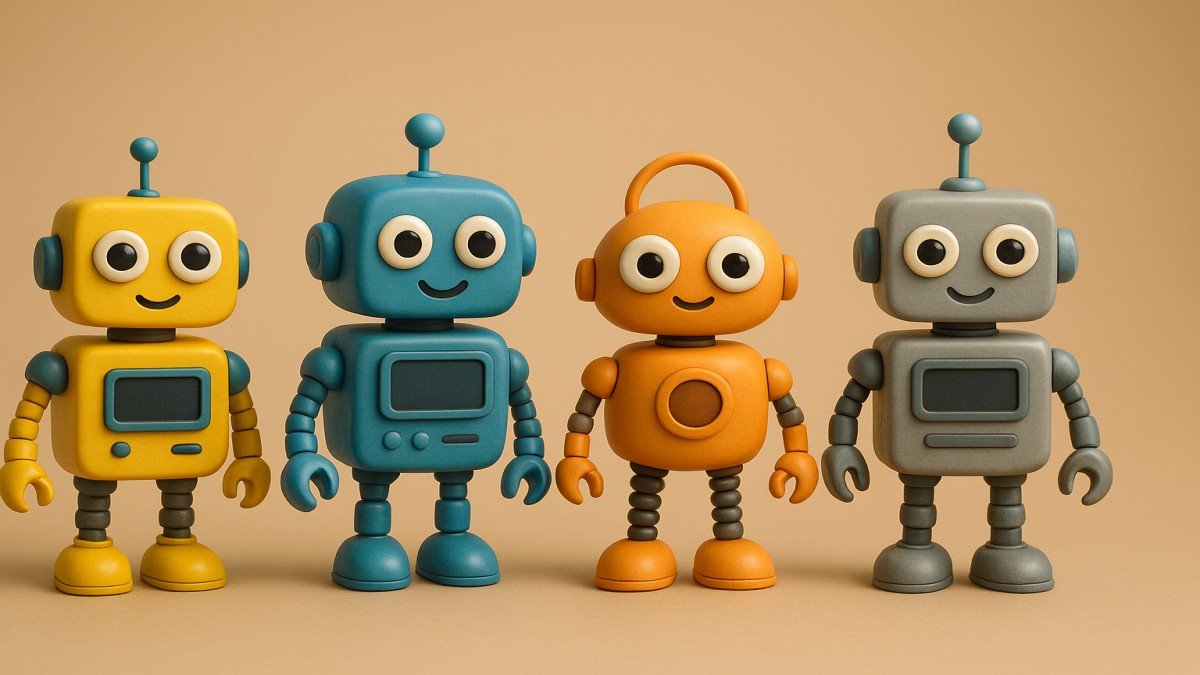
Robot characters have become some of the most iconic figures in entertainment. From heart-warming companions to terrifying villains, robots appear in movies, games, books, and TV shows across every genre. They capture our imagination because they sit at the crossroads of technology and humanity reflecting our fears, dreams, and questions about the future.
In this article, we’ll explore why robot characters are so compelling, the types of robot personalities we see in stories, and the most memorable examples that have shaped pop culture.
Why Robot Characters Fascinate Us
1. They Represent the Future
Robots symbolize the world we’re heading toward. Whenever we see a robot in fiction, we’re essentially watching a prediction whether it’s optimistic, like Baymax in Big Hero 6, or dystopian, like the machines in The Matrix.
2. They Explore What It Means to Be Human
Robots give creators a unique tool to ask deep questions:
- What is consciousness?
- Can a machine feel emotions?
- What defines a soul?
Characters like Data from Star Trek or Sonny from I, Robot help explore these themes in a way human characters can’t.
3. They Appeal to Our Love for Technology
Robots blend science with personality. For many people who love gadgets, engineering, coding, or AI, robot characters bring these interests to life in a fun and relatable way.
4. They Often Break the Rules
Unlike humans, robots can:
- Live forever
- Transform shapes
- Interface with tech
- Lift cars
- Hack systems
This makes them versatile characters for action, comedy, or emotional storytelling.
Types of Robot Characters We See in Fiction
1. The Heroic Companion
These robots support the main character, offering loyalty, humor, or emotional comfort.
Examples include:
- R2-D2 (Star Wars)
- Baymax (Big Hero 6)
- WALL-E (WALL-E)
They often lack complex speech but express themselves with gestures, beeps, or expressions—ironically making them more relatable.
2. The Comic Relief Robot
These characters lighten the mood, often through literal interpretations, dry logic, or awkward interactions.
Examples:
- C-3PO (Star Wars)
- Claptrap (Borderlands)
- Bender (Futurama)
Their humor usually comes from the contrast between machine logic and human behavior.
3. The Emotionally Evolving Robot
These robots begin mechanical but grow into more humanlike beings.
Examples:
- Data (Star Trek)
- Sonny (I, Robot)
- Eve (WALL-E)
Their development helps audiences think about empathy, identity, and consciousness.
4. The Dark and Dangerous Robot
These robots serve as warnings about unchecked technology.
Examples:
- Terminator T-800 (The Terminator)
- Ultron (Avengers: Age of Ultron)
- HAL 9000 (2001: A Space Odyssey)
They often embody fears about AI surpassing humans.
5. The Giant Mech or Battle Robot
These appear in sci-fi and anime, controlled by pilots or working autonomously.
Examples:
- Gundam suits (Gundam)
- Jaegers (Pacific Rim)
- Optimus Prime (Transformers)
They symbolize power, teamwork, and heroism on a grand scale.
Most Iconic Robot Characters of All Time
1. R2-D2
A loyal astromech droid from Star Wars, famous for communicating only through beeps. Despite lacking words, R2-D2 expresses courage, humor, and heart.
2. WALL-E
A small waste-collecting robot who becomes an emotional powerhouse. Pixar turned a boxy robot into one of cinema’s most heartfelt characters.
3. Optimus Prime
Leader of the Autobots in Transformers, representing honor, bravery, and sacrifice. His voice alone is iconic.
4. The Terminator
A chilling vision of a killer robot disguised as a human. The T-800 became the face of sci-fi horror and AI gone wrong.
5. C-3PO
One of the funniest, most anxious robots in pop culture. His misunderstandings and panic make him endlessly entertaining.
6. Data
A standout character in Star Trek: The Next Generation. His journey to understand humanity resonates deeply with viewers.
7. Baymax
A healthcare robot designed to heal and help. His gentle personality and inflatable body make him both funny and comforting.
8. Bender
The sarcastic, rebellious robot from Futurama. He takes every robot stereotype and flips it upside down.
Conclusion
Robot characters remain some of the most beloved and influential figures in storytelling. They entertain us, challenge us, and help us imagine bold new futures. Whether they are funny, scary, heroic, or emotional, robot characters remind us that humanity is reflected not just in other people—but sometimes in the machines we create.
FAQs
1. Why are robot characters so popular in movies and games?
Because they blend technology with personality, allowing creators to explore futuristic ideas and emotional themes.
2. What makes a robot character relatable?
Clear emotions, consistent personality traits, and strong relationships with human characters.
3. Are robot characters always friendly?
No—some are compassionate and helpful, while others represent technological danger or conflict.
4. What is the difference between a robot and an android in fiction?
Androids usually look human; robots may look mechanical or machine-like.
5. Will robot characters become more realistic as AI advances?
Yes. As real AI improves, robot characters in media will become even more complex and lifelike.