




Introduction
If you’re looking for a creamy, tangy, and nutritious alternative to dairy yogurt, soy yogurt might just be your new favorite snack. Made from soy milk and live bacterial cultures, this dairy-free delight has taken the health food world by storm. Whether you’re vegan, lactose intolerant, or just exploring plant-based options, soy yogurt offers a world of benefits — without compromising taste or texture.
What Is Soy Yogurt?
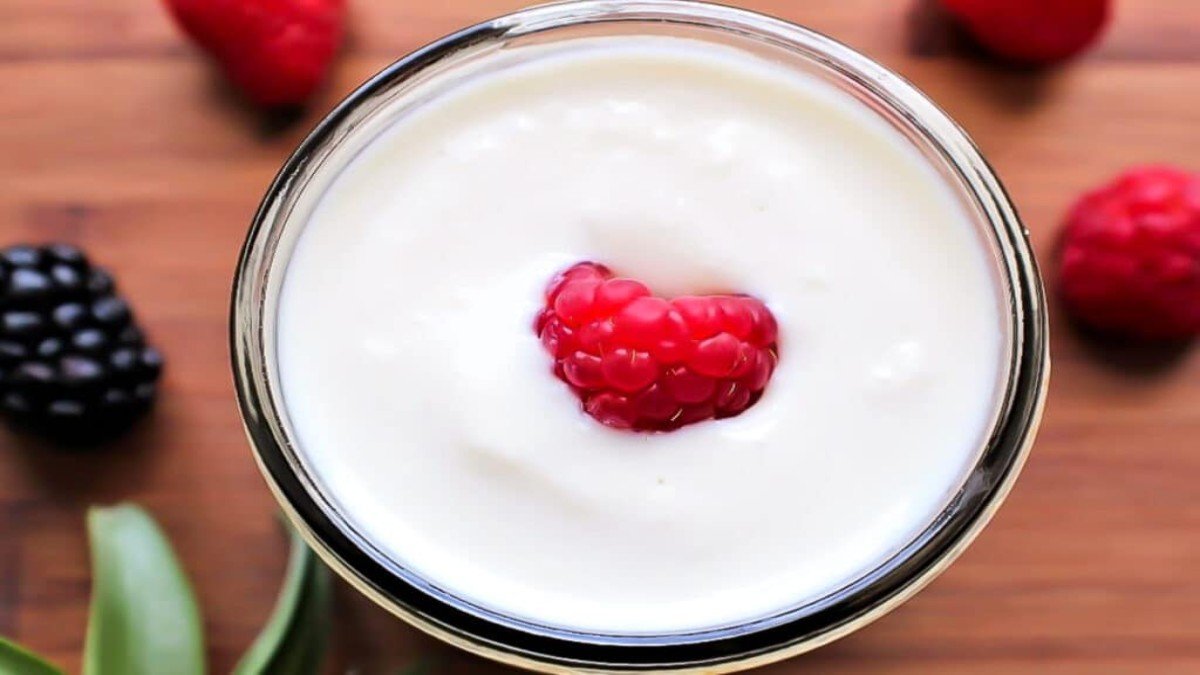
Soy yogurt is a plant-based yogurt made from soy milk, which is derived from soybeans. Just like traditional yogurt, it’s fermented using live cultures such as Lactobacillus bulgaricus and Streptococcus thermophilus. The result? A thick, tangy, and creamy product packed with nutrients.
A Brief History of Soy-Based Foods
Soy has been a staple in Asian diets for centuries. From tofu in China to miso and tempeh in Japan, soy products have long been valued for their high protein content and versatility. The modern adaptation of soy into yogurt began in the late 20th century as demand for dairy alternatives grew among vegans and lactose-intolerant consumers.
How Soy Yogurt Is Made
The Fermentation Process
The process starts by soaking and grinding soybeans to make soy milk. This milk is then heated, cooled, and inoculated with live bacterial cultures. The mixture is left to ferment for several hours, during which beneficial bacteria convert natural sugars into lactic acid — giving soy yogurt its characteristic tangy flavor.
Ingredients and Cultures Used
Typical ingredients include:
- Soy milk (made from soybeans and water)
- Live cultures for fermentation
- Natural thickeners like pectin or agar
- Flavorings such as vanilla or fruit puree
Nutritional Profile of Soy Yogurt
Protein Content
One of the biggest advantages of soy yogurt is its high protein content — almost equal to that of dairy yogurt. A 6-ounce serving usually provides 6–8 grams of protein, making it a perfect addition to vegetarian and vegan diets.
Vitamins and Minerals
Many commercial soy yogurts are fortified with calcium, vitamin D, and vitamin B12, nutrients often found in dairy products. Naturally, soy yogurt also contains iron, magnesium, and potassium.
Probiotics and Gut Health
Like regular yogurt, soy yogurt contains probiotics — beneficial bacteria that support a healthy digestive system and strengthen immunity.
Health Benefits of Soy Yogurt
Lactose-Free Alternative
Since it’s made from soy milk, soy yogurt is completely lactose-free. It’s an excellent choice for people who are lactose intolerant or allergic to cow’s milk.
Heart Health and Cholesterol Control
Soy is rich in isoflavones, plant compounds that may help lower LDL (bad) cholesterol levels and improve heart health. Regular consumption can contribute to a balanced cardiovascular system.
Plant-Based Protein Power
Each serving of soy yogurt delivers a complete plant protein, containing all nine essential amino acids — something that sets soy apart from many other plant-based foods.
Digestive Health
Thanks to the live cultures, soy yogurt promotes gut health, improving digestion and nutrient absorption while helping to prevent bloating or constipation.
Soy Yogurt vs. Dairy Yogurt: A Comparison
| Feature | Soy Yogurt | Dairy Yogurt |
|---|---|---|
| Base Ingredient | Soy milk | Cow’s milk |
| Lactose | None | Present |
| Cholesterol | 0 mg | High |
| Protein | 6–8 g | 6–9 g |
| Calcium (Fortified) | Yes | Naturally present |
| Fat Content | Lower | Higher |
| Probiotics | Yes | Yes |
Soy yogurt stands out as a cholesterol-free, lactose-free, and eco-friendly alternative while providing nearly the same nutritional benefits as dairy yogurt.
Is Soy Yogurt Good for Weight Loss?
Absolutely! Soy yogurt is low in fat and calories while being high in protein, which helps you feel full longer. Consuming it as a snack or breakfast can reduce overall calorie intake and aid in weight management.
To maximize results, choose unsweetened or lightly sweetened versions, as some flavored soy yogurts can contain added sugars.
Conclusion
Soy yogurt is more than just a dairy alternative — it’s a nutrient-packed, eco-friendly, and delicious food that fits into any diet. With its rich protein content, probiotic benefits, and heart-friendly profile, soy yogurt is a smart choice for health-conscious eaters. Whether enjoyed alone, in smoothies, or as a cooking ingredient, it’s the perfect way to indulge your taste buds while caring for your body and the planet.
FAQs
1. Is soy yogurt suitable for vegans?
Yes, soy yogurt is 100% plant-based and ideal for vegans.
2. Does soy yogurt contain probiotics?
Yes, it contains live bacterial cultures similar to dairy yogurt.
3. Can I use soy yogurt in baking?
Absolutely! It can replace regular yogurt in most recipes.
4. Is soy yogurt gluten-free?
Most soy yogurts are naturally gluten-free, but always check the label.
5. How long does homemade soy yogurt last?
Store it in the fridge for up to 5–7 days in an airtight container.