




Introduction
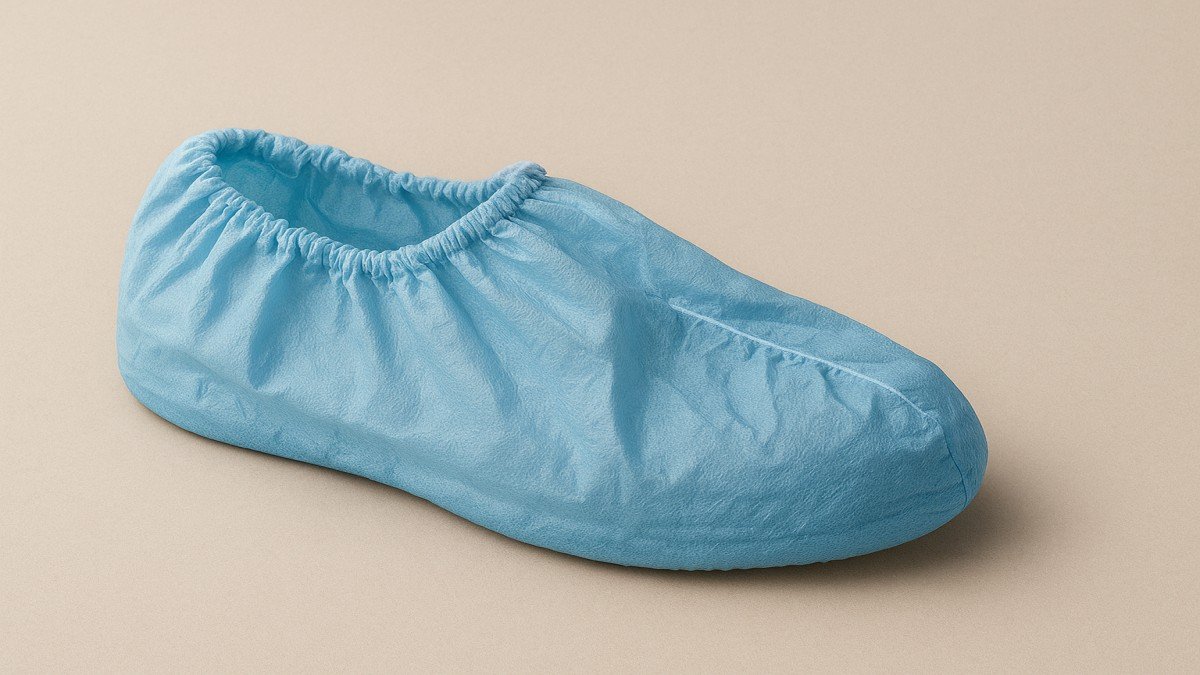
Surgical Shoe. After surgery or injury, even the smallest step can make a big difference in recovery. One of the most overlooked yet essential aids in post-surgical care is the surgical shoe. Whether you’ve had foot surgery, a fracture, or wound care treatment, a surgical shoe helps protect your foot, reduce pain, and accelerate healing.
What Is a Surgical Shoe?
A surgical shoe (also known as a post-op shoe) is a specially designed medical footwear used to protect the foot and support proper recovery after surgery or injury. It helps maintain stability, relieve pressure, and allow patients to walk safely during the healing process.
Why It’s an Essential Part of Recovery
Unlike regular footwear, surgical shoes are made to shield delicate areas from impact, prevent swelling, and ensure wounds or stitches remain undisturbed. It’s not just footwear—it’s part of your medical treatment.
Understanding the Surgical Shoe
Definition and Purpose
Surgical shoes are lightweight, adjustable medical shoes designed to be worn after foot operations or injuries. Their main function is to protect and stabilize the foot while allowing limited mobility.
Key Design Features
- Rigid soles to prevent bending of the toes
- Adjustable Velcro straps for comfort
- Open toe design for wound visibility and air circulation
- Slip-resistant base to prevent falls
Who Needs a Surgical Shoe?
People recovering from:
- Foot surgery
- Toe fractures
- Wound care procedures
- Bunion or hammertoe corrections
- Diabetic foot ulcers
Types of Surgical Shoes
Open-Toe vs. Closed-Toe Designs
- Open-toe shoes allow airflow and visual monitoring of wounds.
- Closed-toe shoes offer more protection and warmth for outdoor use.
Post-Operative Shoes
These are the most common type—used right after foot surgery for stability and comfort.
Cast Shoes
Worn over plaster or fiberglass casts to allow walking while protecting the cast from damage.
Diabetic Surgical Shoes
Designed with extra cushioning and pressure relief zones to prevent ulcers and blisters in diabetic patients.
How a Surgical Shoe Works
Weight Distribution and Foot Support
The rigid sole helps evenly distribute body weight, reducing stress on healing areas.
Pressure Relief Mechanism
By slightly elevating the heel or toe, surgical shoes relieve pressure from sensitive spots.
Stabilization and Mobility
They keep the foot stable during motion, preventing slips or twists that could delay recovery.
Medical Conditions That Require Surgical Shoes
Foot and Toe Surgery
Used to protect incisions and stitches post-surgery.
Broken or Fractured Toes
Helps immobilize and shield injured toes during healing.
Bunion or Hammertoe Correction
Prevents bending or pressure on surgical sites.
Diabetic Ulcers or Wounds
Protects delicate skin and promotes wound healing.
Materials and Construction
Lightweight and Breathable Uppers
Typically made from mesh or soft fabric to ensure airflow and comfort.
Non-Slip Soles
Essential for safe walking on smooth or wet surfaces.
Adjustable Straps for Comfort
Velcro straps make it easy to adjust tightness and accommodate swelling.
Benefits of Wearing Surgical Shoes
Protects Surgical Sites
Shields stitches, wounds, and bandages from dirt and accidental contact.
Prevents Reinjury
Reduces strain on the healing area, preventing reopening of wounds.
Reduces Pain and Swelling
Encourages proper blood flow and minimizes inflammation.
Promotes Proper Healing
Supports alignment and posture for optimal recovery outcomes.
How to Choose the Right Surgical Shoe
Sizing and Fit
Choose a size that fits snugly but allows room for bandages. A poor fit can slow healing or cause pain.
Material and Cushioning
Opt for soft interiors and shock-absorbing soles to prevent friction or pressure sores.
Sole Type and Traction
Select shoes with non-skid soles for safe indoor and outdoor walking.
How to Wear a Surgical Shoe Correctly
Proper Fitting Tips
- Ensure straps secure the foot firmly but comfortably.
- Toes should rest flat without hanging over the edge.
Using With Bandages or Casts
Always adjust straps to accommodate dressings or swelling.
Walking Safely
Walk slowly and keep balance, especially when using crutches or walkers.
Conclusion
A surgical shoe might seem simple, but it’s a crucial tool for anyone recovering from foot surgery or injury. It provides stability, protection, and comfort, helping your body heal efficiently. Choosing the right one, wearing it properly, and following medical advice can make all the difference between a quick recovery and prolonged discomfort.
FAQs About Surgical Shoes
1. How long should I wear a surgical shoe after surgery?
Typically 2–6 weeks, depending on your doctor’s instructions.
2. Can I drive while wearing a surgical shoe?
Avoid driving until your doctor confirms it’s safe—especially if the affected foot is used for pedals.
3. Can I wear socks with a surgical shoe?
Yes, soft cotton socks help reduce friction and absorb moisture.
4. Should I wear the surgical shoe while sleeping?
Only if advised by your surgeon; most people remove it at night for comfort.
5. Is a surgical shoe reusable?
Yes, if it remains clean and undamaged, but always sanitize it between uses.