


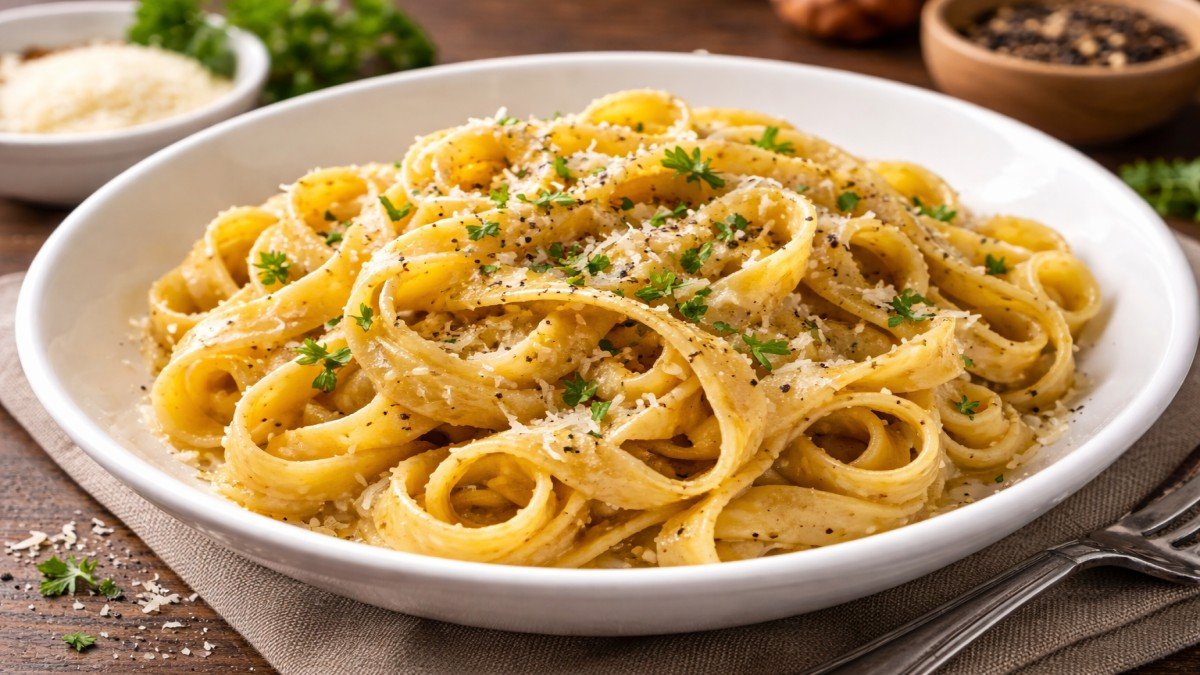
Italian cuisine is famous for turning simple ingredients into unforgettable dishes, and tagliatelle is a perfect example of this philosophy. Long, flat, ribbon-like strands of pasta, tagliatelle is elegant yet comforting, traditional yet endlessly versatile. From rustic family kitchens in Italy to fine-dining restaurants around the world, this pasta has earned a respected place on the plate.
What Is Tagliatelle?
Tagliatelle is a type of long, flat pasta traditionally made from wheat flour and eggs. It looks similar to fettuccine but is usually slightly narrower. The name comes from the Italian verb tagliare, meaning “to cut,” referring to the way the pasta is sliced into ribbons after rolling out the dough.
Its width typically ranges between 6–8 millimeters, making it ideal for holding thick and hearty sauces. Unlike thin pasta that lets sauce slide away, tagliatelle clings to flavor in every bite.
The Origins of Tagliatelle
A Pasta Born in Emilia-Romagna
Tagliatelle originates from Emilia-Romagna, a region in northern Italy celebrated for its rich food culture. This area is also home to Parmigiano-Reggiano cheese, prosciutto di Parma, and traditional ragù.
According to culinary lore, tagliatelle has been around since at least the Renaissance period. While some legends romanticize its invention, what’s undeniable is its deep-rooted place in Italian history and identity.
The Official Tagliatelle Measurement
In Bologna, the official width of tagliatelle is even recorded and preserved by the local Chamber of Commerce, reflecting how seriously Italians take their pasta traditions.
Tagliatelle vs Other Pasta Types
Tagliatelle vs Fettuccine
These two are often confused. While similar in shape, fettuccine is slightly wider and more commonly used in Roman cuisine, while tagliatelle belongs to northern Italy and is more often egg-rich.
Tagliatelle vs Pappardelle
Pappardelle is much wider and works best with chunky sauces like wild boar ragù. Tagliatelle, being narrower, is more versatile and suits both smooth and meaty sauces.
Tagliatelle vs Spaghetti
Spaghetti is round and thin, better for lighter sauces. Tagliatelle’s flat surface makes it superior for rich, thick preparations.
How Tagliatelle Is Made
Traditional Ingredients
Authentic tagliatelle requires only:
- Soft wheat flour
- Fresh eggs
No oil, no salt—just skill and technique.
The Handmade Process
The dough is kneaded until smooth, rolled thin, folded, and sliced into long ribbons. In Italian homes, this process is often done by hand, passed down through generations.
Fresh vs Dried Tagliatelle
- Fresh tagliatelle: Softer, richer, cooks quickly, and has a delicate texture.
- Dried tagliatelle: More convenient, longer shelf life, slightly firmer bite.
Both have their place depending on time, preference, and recipe.
Texture and Shape: Why It Matters
Tagliatelle’s flat shape isn’t just aesthetic—it’s functional. The broad surface area allows sauces to coat the pasta evenly. Think of it like a ribbon soaking up flavor instead of a straw letting it slip away.
This makes tagliatelle especially suitable for:
- Meat-based sauces
- Creamy sauces
- Butter and cheese combinations
Classic Tagliatelle Dishes
Tagliatelle al Ragù
Often mistakenly called “spaghetti bolognese” outside Italy, the authentic pairing is tagliatelle al ragù. The thick, slow-cooked meat sauce clings beautifully to the pasta, creating a balanced and satisfying dish.
Tagliatelle with Mushrooms
Mushrooms—especially porcini—pair wonderfully with tagliatelle, whether in a cream sauce or simply sautéed with butter and garlic.
Butter and Parmesan Tagliatelle
Sometimes simplicity wins. Butter, Parmigiano-Reggiano, and black pepper let the pasta itself shine.
Best Sauces for Tagliatelle
Meat-Based Sauces
- Beef or veal ragù
- Sausage sauces
- Duck or lamb ragù
Cream and Cheese Sauces
- Mushroom cream sauce
- Gorgonzola or mascarpone sauces
Vegetarian Options
- Spinach and ricotta
- Tomato and roasted vegetables
Seafood Pairings
While not traditional, light seafood sauces can work if they’re not too watery.
Conclusion
Tagliatelle is a shining example of how thoughtful simplicity defines Italian cuisine. Its elegant shape, rich texture, and ability to carry bold flavors make it a favorite among chefs and home cooks alike. Whether paired with a traditional ragù or a simple butter sauce, tagliatelle delivers comfort, tradition, and satisfaction in every forkful.
If you want to experience pasta the Italian way—authentic, balanced, and full of soul—tagliatelle is always the right choice.
FAQs
1. Is tagliatelle the same as fettuccine?
No. They are similar, but tagliatelle is usually slightly narrower and traditionally egg-based.
2. What sauce works best with tagliatelle?
Thick sauces like ragù or creamy mushroom sauces work best.
3. Can tagliatelle be made without eggs?
Traditionally it uses eggs, but egg-free versions do exist.
4. Is tagliatelle better fresh or dried?
Fresh offers richer texture; dried is more convenient. Both are excellent.
5. Can tagliatelle be used in baked dishes?
Yes, though it’s more commonly served freshly cooked with sauce.