



Introduction
When you step out of the shower and wrap yourself in a soft towel, you’re most likely enjoying the magic of terry cloth. Known for its incredible absorbency and plush texture, this fabric has become a household essential. But terry cloth isn’t just for towels it’s a versatile fabric with uses ranging from fashion to babywear. Let’s dive into the story of terry cloth and why it has stood the test of time.
What Is Terry Cloth?
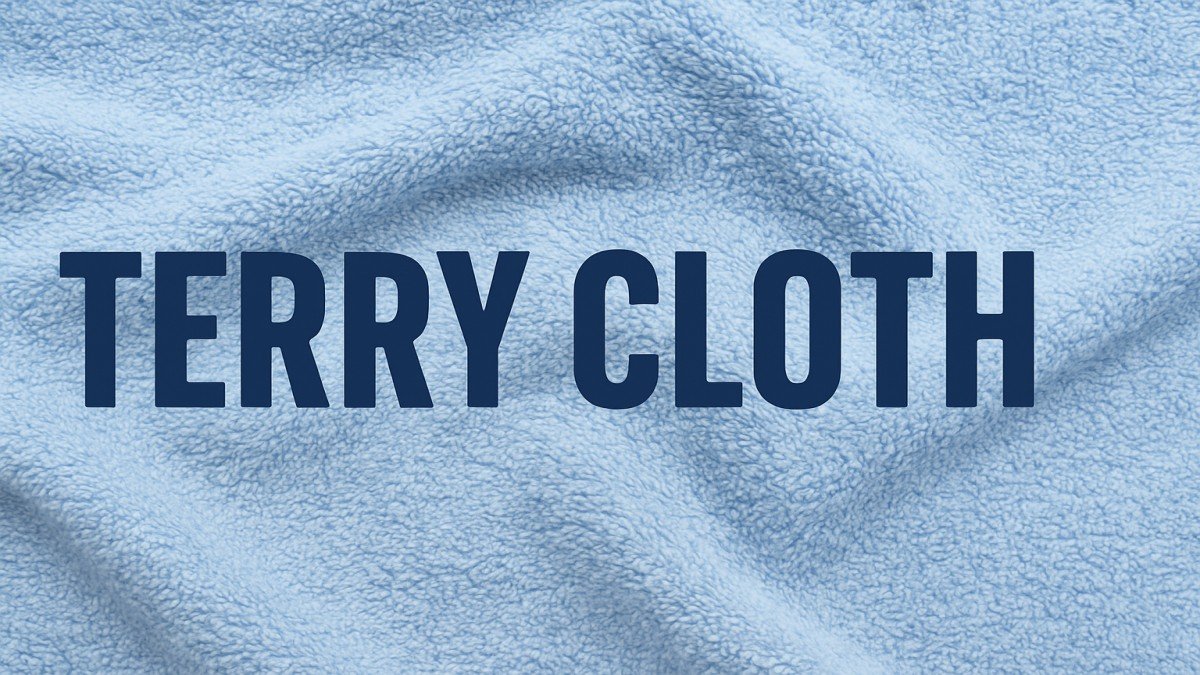
Terry cloth is a woven or knitted fabric distinguished by its looped pile on one or both sides. These loops give the fabric its signature softness and absorbent quality, making it perfect for products like towels, bathrobes, and casual wear.
The Origins of Terry Cloth
The name “terry” comes from the French word tirer, meaning “to pull.” This refers to the pulled loops created during the weaving process. Terry cloth became popular in the 19th century in Europe, particularly for luxury bath towels. Over time, it became an everyday fabric across the world.
How Terry Cloth Is Made
The Weaving Technique
Terry cloth is usually made using a special loom that creates loops of thread on the surface. These loops are what trap water and make the fabric absorbent.
Cotton as the Primary Fiber
Most terry cloth is made from 100% cotton, although blends with polyester or bamboo can enhance durability or eco-friendliness.
Types of Terry Cloth
Toweling Fabric
This is the traditional terry cloth with loops on both sides, commonly used for towels and bathrobes.
French Terry
Unlike traditional terry, French terry has loops on one side and a smooth surface on the other. It’s lighter and often used in sportswear and loungewear.
Key Properties of Terry Cloth
- Absorbency: Thanks to its loops, terry cloth can soak up large amounts of moisture.
- Softness: Cotton-based terry cloth is gentle on the skin.
- Durability: It withstands frequent washing without losing quality.
- Breathability: Cotton terry allows airflow, making it comfortable in clothing.
Everyday Uses of Terry Cloth
Towels and Bathrobes
The most common use, offering comfort after showers or swims.
Sportswear
French terry is popular in gym wear, sweatshirts, and joggers thanks to its lightweight comfort.
Baby Clothing and Accessories
Soft terry is often used for baby bibs, hooded towels, and onesies.
Household Items
Mitts, washcloths, and cleaning cloths are also frequently made from terry fabric.
Terry Cloth in Fashion
Beyond the bathroom, terry cloth has entered the world of casual fashion.
- In the 1970s and 80s, terry cloth tracksuits became trendy.
- Today, terry cloth is making a retro comeback, with designers using it in bucket hats, polos, and summer wear.
Terry Cloth in Luxury Markets
Terry cloth has a place in high-end industries too:
- Spas and hotels use plush terry robes and towels as symbols of luxury.
- Designer brands incorporate terry cloth into limited-edition collections for a playful, textured look.
Advantages of Terry Cloth
- Super absorbent
- Comfortable and soft
- Durable with proper care
- Versatile for both home and fashion use
Disadvantages of Terry Cloth
- Takes longer to dry than lightweight fabrics
- Can feel heavy when wet
- Prone to shrinkage if not cared for properly
How to Care for Terry Cloth
- Washing tips: Wash in cold or warm water with mild detergent to preserve fibers.
- Drying: Tumble dry on low heat to maintain softness. Avoid over-drying, which can stiffen the loops.
- Storage: Keep in a cool, dry place to prevent mildew.
Conclusion
Terry cloth is more than just the fabric of towels—it’s a versatile, timeless material that balances function, comfort, and style. Whether you’re drying off after a shower, lounging in a hoodie, or enjoying a spa day, terry cloth plays a role in everyday life. Its history, durability, and adaptability make it a fabric that will likely never go out of style.
FAQs
1. What makes terry cloth so absorbent?
The looped pile structure increases surface area, allowing it to soak up more water.
2. Is French terry the same as regular terry?
No, French terry has loops on one side and a smooth surface on the other, making it lighter.
3. Does terry cloth shrink in the wash?
Yes, especially 100% cotton terry, so it’s best to wash in cold or warm water.
4. Why is terry cloth used for baby clothes?
It’s soft, breathable, and gentle on sensitive skin.
5. Is terry cloth eco-friendly?
Organic cotton terry is eco-friendly, but synthetic blends may not be sustainable.