



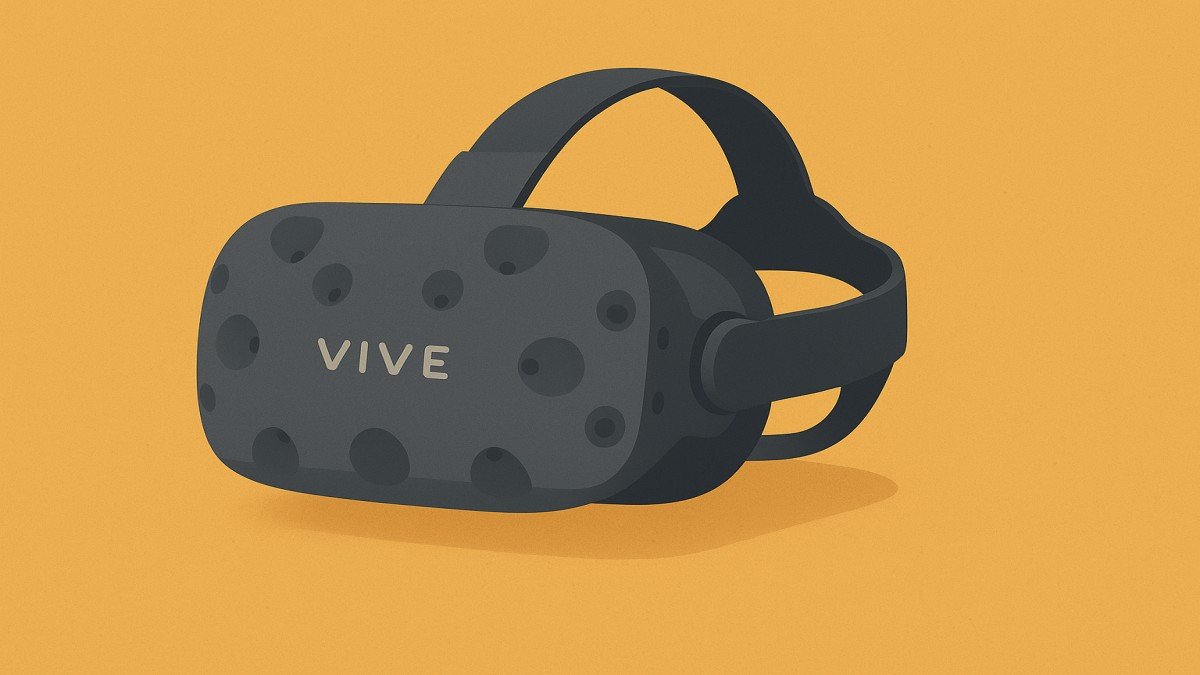
Vive. Virtual reality has moved from being a sci-fi fantasy to a powerful tool used in entertainment, education, medicine, and workplace training. Among the companies pushing this technological evolution forward, HTC Vive stands out as one of the most influential names in VR. Whether you’re a gamer, a developer, or simply curious about immersive technology, the Vive ecosystem offers a rich array of experiences. This article explores the journey, features, capabilities, and impact of Vive within a concise limit of 1200 words.
What Is Vive?
Vive is a virtual reality (VR) platform created by HTC in partnership with Valve. Introduced in 2016, the Vive headset was part of the first wave of consumer VR, aiming to deliver room-scale, high-fidelity immersive experiences that rivaled anything available at the time.
While many VR systems focused on stationary or seated setups, Vive emphasized freedom of movement, intuitive controls, and deep immersion. This quickly made it popular with gamers, professionals, and VR arcades.
A Brief History of Vive
The Beginning (2015–2016)
Vive was announced at Mobile World Congress in 2015. It was designed around SteamVR technology, Valve’s platform for VR content. The first headset, the HTC Vive, shipped in 2016 and introduced room-scale VR with external tracking stations (Lighthouse base stations).
Expansion and Innovation
Over the years, Vive expanded its lineup with several models:
- Vive Pro – Enhanced resolution, audio integration, and professional-grade tracking.
- Vive Pro Eye – Eye-tracking for analytics and training applications.
- Vive Cosmos – Inside-out tracking, modular faceplates, and improved user accessibility.
- Vive Focus and Focus 3 – Standalone enterprise headsets without the need for a PC.
- Vive XR Elite – A compact mixed-reality headset blending VR and AR.
Shifting Focus Toward Enterprise
While many early VR brands focused primarily on gaming, HTC pivoted toward enterprise solutions such as training simulations, remote collaboration, product design, and healthcare applications.
Key Features of Vive Systems
1. High-Fidelity Visuals
Vive headsets are known for sharp displays, high refresh rates, and vivid color reproduction. These details matter because they reduce motion sickness and heighten immersion.
2. Accurate Tracking
Vive’s Lighthouse tracking remains one of the most precise external tracking systems available. It allows:
- Full-room movement
- Multi-user environments
- Precise controller and object tracking
For businesses and VR arcades, this level of accuracy is a huge advantage.
3. Ergonomic Controllers
Vive controllers offer natural movement, haptic feedback, and intuitive button layouts. Newer models also support advanced gestures and finger tracking.
4. Versatile Ecosystem
The Viveport platform provides games, creativity tools, educational apps, and enterprise solutions. Viveport Infinity—its subscription library—gives users access to a wide range of VR titles.
Vive for Gaming
Even though HTC has leaned toward enterprise use, gaming remains a major part of its DNA. Vive headsets support thousands of titles, including:
- Half-Life: Alyx
- Beat Saber
- Superhot VR
- The Walking Dead: Saints & Sinners
- Job Simulator
The combination of high-precision tracking and room-scale interaction makes gaming feel deeply immersive—more like stepping inside a world than simply watching it.
Vive for Enterprise and Professional Use
Where Vive truly shines today is in businesses and professional settings. VR is no longer just entertainment—it’s a training tool, design platform, and communication medium.
1. Training and Simulation
Industries using Vive systems include:
- Healthcare
- Aerospace
- Manufacturing
- Military
- Education
VR lowers risk and cost by allowing repeated, realistic practice in safe environments.
2. Design and Visualization
Architects, engineers, and creators can collaborate on 3D models at scale. Instead of imagining a building or a product, teams can walk around it, resize it, and inspect it in real time.
3. Remote Collaboration
Vive Sync and other collaboration tools allow teams to meet in virtual rooms, present content, and interact with digital objects—useful for remote and hybrid workplaces.
Final Thoughts
Vive has played a major role in shaping the VR landscape. From pioneering room-scale VR to delivering enterprise-ready training tools, HTC continues to influence how people learn, create, and interact digitally. Whether you’re stepping into VR for fun or for work, Vive offers powerful, immersive solutions that continue pushing boundaries.
FAQs
1. Is HTC Vive still worth buying?
Yes—especially for users who want high-end tracking, enterprise tools, or professional VR capabilities.
2. Does Vive require a gaming PC?
Most Vive models do, but standalone options like the Vive Focus series do not.
3. Can Vive play SteamVR games?
Absolutely. Vive was built in partnership with Valve and is fully compatible with SteamVR.
4. What’s the difference between Vive Pro and Vive Cosmos?
Vive Pro uses external tracking and is built for high-end performance, while Cosmos uses inside-out tracking and targets mainstream users.
5. Is Vive good for business use?
Yes—Vive is one of the leading enterprise VR platforms, with training, collaboration, and simulation tools.
If you’d like, I can also create a shorter version, expand details, or generate SEO-optimized titles and meta descriptions.