




Introduction
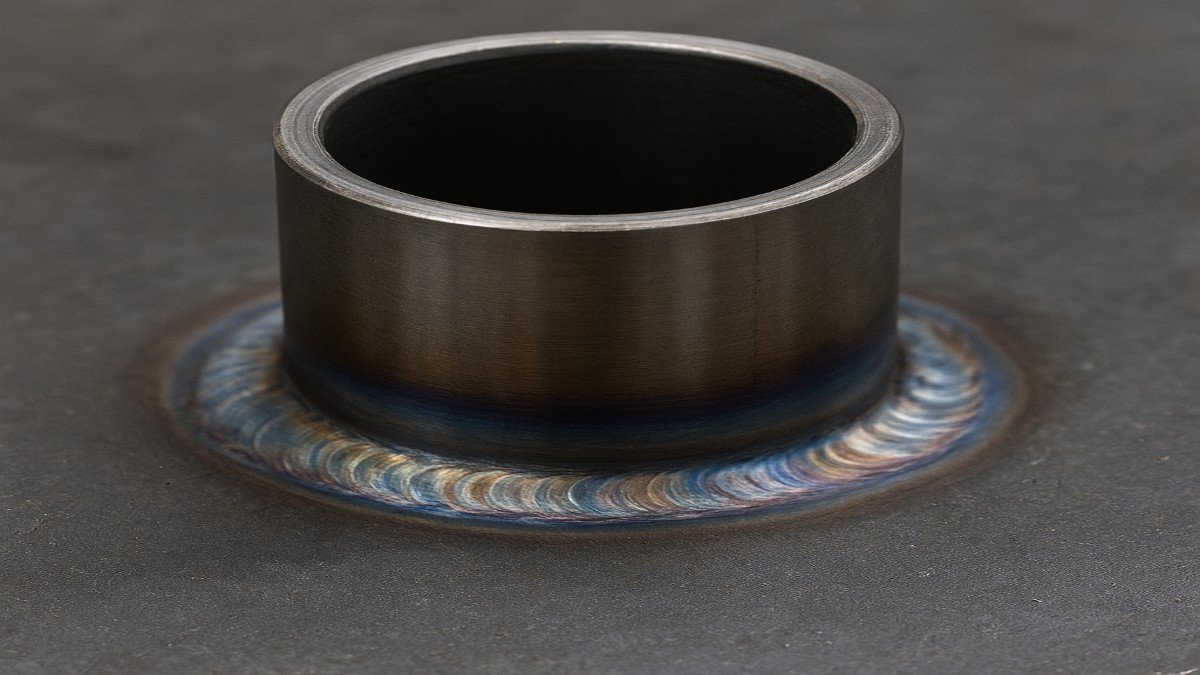
Weld-In Sleeve. In metal fabrication and industrial repair work, the term weld-in sleeve comes up often. Whether you are dealing with pipelines, automotive parts, or heavy machinery, weld-in sleeves play a crucial role in reinforcing, repairing, or extending the life of metal components. These sleeves are designed to be welded into place, offering durability, strength, and reliability.
If you’ve ever wondered what a weld-in sleeve is, where it’s used, and why it’s so important, this article will give you a complete breakdown.
What Is a Weld-In Sleeve?
A weld-in sleeve is a cylindrical or tubular metal component that is welded directly onto or into another structure. Its main purpose is to repair worn-out sections, provide reinforcement, or allow modifications in existing systems without replacing the entire structure.
These sleeves are typically made from strong metals like carbon steel, stainless steel, or alloy steel to ensure high durability under pressure and environmental stress.
Types of Weld-In Sleeves
Not all weld-in sleeves are the same. They come in various types depending on application:
- Repair Sleeves – Used to fix damaged sections of pipelines or machinery.
- Reinforcement Sleeves – Strengthen existing weak or high-stress areas.
- Coupling Sleeves – Connect two sections of metal pipes or tubes.
- Custom-Fabricated Sleeves – Designed for specialized industrial needs.
Materials Used in Weld-In Sleeves
The material selection depends on the application. Common materials include:
- Carbon Steel – High strength, commonly used in pipelines.
- Stainless Steel – Corrosion-resistant, suitable for chemical or food industries.
- Alloy Steel – Excellent performance in high-temperature environments.
- Cast Iron Sleeves – Sometimes used in engine cylinder repairs.
Applications of Weld-In Sleeves
Weld-in sleeves are versatile and widely used across industries:
1. Oil and Gas Industry
Pipelines carrying crude oil or natural gas often face wear and corrosion. Weld-in sleeves are welded over the damaged area, providing reinforcement without halting operations for complete replacement.
2. Automotive Sector
Engine cylinder blocks and exhaust systems often use weld-in sleeves for repair. Instead of replacing expensive engine parts, sleeves restore functionality.
3. Construction and Heavy Equipment
Excavators, bulldozers, and cranes experience heavy wear. Weld-in sleeves are applied to high-friction or pressure points to extend equipment life.
4. Industrial Machinery
In manufacturing plants, sleeves are welded into machinery components to maintain alignment, reduce downtime, and improve reliability.
Advantages of Using Weld-In Sleeves
There are several benefits to using weld-in sleeves, including:
- Cost Savings: Repairing with a sleeve is far cheaper than replacing the entire structure.
- Time Efficiency: Repairs are faster, minimizing downtime.
- Durability: Sleeves restore strength and extend the life of components.
- Flexibility: Can be custom-fabricated for specific requirements.
- Leak Prevention: In pipelines, weld-in sleeves prevent leaks and ensure safety.
Disadvantages and Limitations
While weld-in sleeves are highly effective, they do have some limitations:
- Require skilled welders for proper installation.
- Welding in hazardous environments (like live gas pipelines) may need special precautions.
- If improperly installed, they may weaken the system instead of strengthening it.
How Weld-In Sleeves Are Installed
The process of installing a weld-in sleeve generally involves the following steps:
- Inspection – The damaged or weak section is assessed.
- Preparation – Cleaning the surface and removing rust, dirt, or debris.
- Sizing – Selecting a sleeve that matches the required dimensions.
- Positioning – Placing the sleeve accurately over or into the structure.
- Welding – Skilled welders permanently weld the sleeve to the structure.
- Finishing – Surface finishing, testing, and sometimes coating for corrosion protection.
Weld-In Sleeve vs. Clamp-On Sleeve
While weld-in sleeves are welded permanently, clamp-on sleeves are mechanical fittings secured with bolts or clamps.
- Weld-In Sleeve: Permanent, stronger, leak-proof.
- Clamp-On Sleeve: Temporary, faster to install, but not as durable.
Conclusion
The weld-in sleeve is an unsung hero in industrial repair and maintenance. From pipelines and engines to construction machinery, these sleeves provide a cost-effective, reliable, and durable solution. While proper installation requires skilled professionals, the long-term benefits far outweigh the investment. Whether you’re in oil and gas, automotive, or heavy industry, weld-in sleeves can save time, money, and resources while ensuring safety and efficiency.
FAQs
1. What is the main purpose of a weld-in sleeve?
A weld-in sleeve is used to repair, reinforce, or connect metal structures such as pipelines, machinery, or engines.
2. Can weld-in sleeves stop leaks in pipelines?
Yes, when properly installed, they effectively seal leaks and prevent further damage.
3. What materials are weld-in sleeves made from?
They are usually made from carbon steel, stainless steel, alloy steel, or cast iron.
4. Are weld-in sleeves permanent?
Yes, unlike clamp-on sleeves, weld-in sleeves are welded permanently for durability.
5. Do weld-in sleeves require special maintenance?
They need periodic inspections using non-destructive testing methods to ensure weld integrity and performance.