

Introduction
What Is a Tincture. In a world filled with synthetic medicines, more people are turning to natural remedies for wellness and tinctures are leading the trend. You might have seen small glass bottles labeled “herbal tincture” at health stores or online, but what exactly are they, and how do they work? Let’s uncover the secrets behind this ancient yet powerful remedy.
Definition of a Tincture
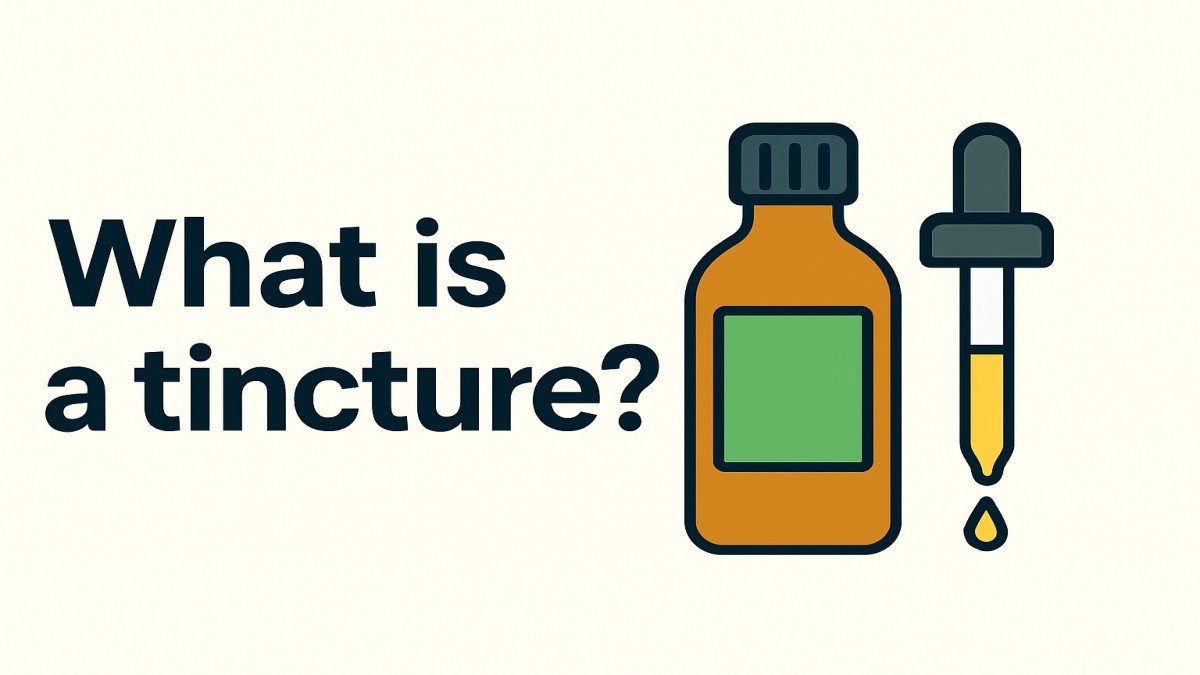
A tincture is a concentrated liquid extract made by soaking herbs in alcohol or another solvent. The liquid draws out the active compounds—like essential oils, alkaloids, and minerals—from the plant. This process creates a potent herbal solution that delivers the plant’s healing properties in just a few drops.
While alcohol is the most common base, other solvents like glycerin or apple cider vinegar can also be used, especially for people who avoid alcohol.
A Brief History of Tinctures
Tinctures aren’t new—they’ve been around for thousands of years. Ancient civilizations such as the Egyptians, Greeks, and Chinese used herbal extracts as medicine. In the 19th century, tinctures were a staple in apothecaries, prescribed by doctors before synthetic drugs took over. Today, they’ve made a comeback as more people embrace holistic and natural health practices.
How Tinctures Are Made
Making a tincture is both an art and a science. Here’s the basic process:
- Select your herb: Choose a fresh or dried medicinal plant.
- Add solvent: Combine the herb with alcohol (like vodka or brandy), glycerin, or vinegar.
- Let it steep: Seal the mixture in a glass jar and store it for several weeks, shaking occasionally.
- Strain and bottle: After extraction, strain out the plant material and store the liquid in dark glass dropper bottles.
This slow extraction process helps preserve the herb’s active compounds and potency for months or even years.
Ingredients Commonly Used in Tinctures
Almost any medicinal plant can be turned into a tincture. Common ingredients include:
- Echinacea – boosts the immune system
- Chamomile – promotes relaxation and sleep
- Ginger – aids digestion and reduces inflammation
- Valerian root – supports restful sleep
- Turmeric – powerful anti-inflammatory properties
The choice of herb depends on the desired health benefit.
Types of Tinctures
Alcohol-Based Tinctures
These are the most traditional and effective type. Alcohol acts as both a solvent and preservative, ensuring a long shelf life (up to 5 years or more).
Glycerin-Based Tinctures (Glycerites)
Made with vegetable glycerin, these are sweet-tasting and alcohol-free, suitable for children or those sensitive to alcohol.
Vinegar-Based Tinctures
Apple cider vinegar tinctures are popular for their detoxifying and digestive properties. However, they generally have a shorter shelf life than alcohol tinctures.
Alcohol vs Non-Alcohol Tinctures
Alcohol tinctures tend to extract a broader range of plant compounds, making them more potent. Non-alcohol tinctures, while gentler, may require higher doses. However, both types are effective depending on your preference and sensitivity.
How Tinctures Work
When you take a tincture, especially under the tongue (sublingually), the active compounds are absorbed directly into your bloodstream. This makes tinctures fast-acting and highly bioavailable, meaning your body can use them efficiently without waiting for digestion.
Benefits of Using Tinctures
Tinctures offer several advantages over pills or teas:
- Fast absorption – effects are felt quickly.
- Potency – concentrated herbal goodness in just a few drops.
- Portability – small bottles you can carry anywhere.
- Long shelf life – stays fresh for years.
- Customizable blends – you can mix different herbs for specific health goals.
Conclusion
So, what is a tincture? Simply put, it’s nature’s concentrated remedy—a small bottle of potent herbal goodness. Whether you’re looking to boost your immunity, calm your nerves, or improve digestion, tinctures provide a fast, effective, and natural way to support your health. In the world of wellness, these tiny bottles pack a powerful punch.
FAQs About Tinctures
1. What is the difference between an extract and a tincture?
A tincture is a type of extract made with alcohol or other solvents, while extracts can also use water or oil.
2. Can tinctures be made without alcohol?
Yes, you can make alcohol-free tinctures using vegetable glycerin or apple cider vinegar.
3. How long do tinctures last?
Alcohol tinctures can last up to 10 years, while non-alcohol ones last about 2 years.
4. Are tinctures safe for children?
Glycerin-based tinctures are best for kids, as they’re alcohol-free and sweeter in taste.
5. What’s the best way to take a tincture?
For best results, place the drops under your tongue and hold for 30 seconds before swallowing.