




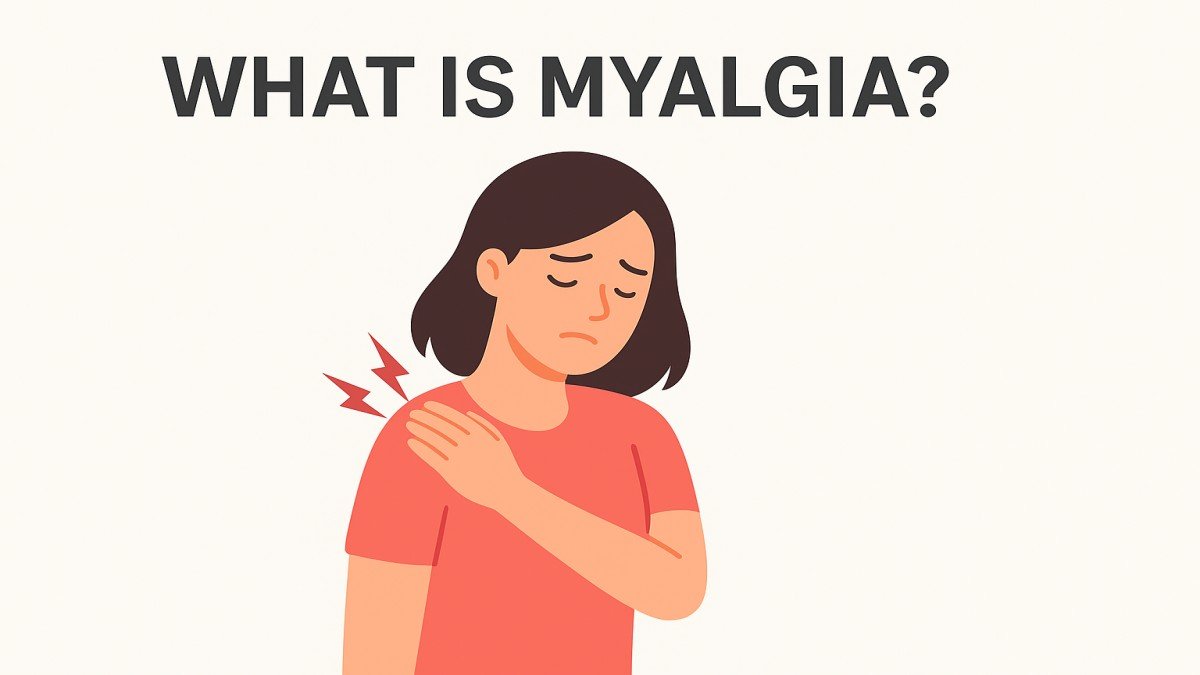
Introduction to Myalgia
What Is Myalgia. Muscle pain or myalgia is something almost everyone experiences at some point. Whether you’ve just finished an intense workout, sat too long in one position, or are fighting off an illness, muscle discomfort is your body’s way of saying, “Hey, something’s off.”
In medical terms, myalgia simply means muscle pain. It can range from mild soreness to severe, debilitating pain that affects movement and daily life. Understanding what causes it and how to manage it can make a world of difference in recovery.
Understanding the Term “Myalgia”
The word “myalgia” comes from two Greek roots: mys (muscle) and algos (pain). It’s a general term, not a specific disease. While occasional muscle pain is common, chronic or widespread myalgia may signal an underlying health issue.
Unlike muscle strain (caused by overuse or injury), myalgia can arise from infections, medication side effects, or systemic diseases like fibromyalgia or lupus.
Common Causes of Myalgia
Physical Activity and Muscle Strain
Exercising beyond your limits can lead to delayed-onset muscle soreness (DOMS) — that familiar ache that kicks in a day or two after a workout. It’s normal and usually harmless.
Poor Posture and Muscle Tension
Sitting at a desk for hours, looking down at your phone, or sleeping awkwardly can cause muscle fatigue and tension, especially in the neck, shoulders, and back.
Viral and Bacterial Infections
Illnesses like the flu, COVID-19, or Lyme disease can cause body-wide aches. Your immune response releases chemicals that inflame tissues, leading to that all-over soreness.
Medications and Toxins
Certain drugs, such as statins (for cholesterol), can trigger muscle pain as a side effect. Exposure to toxins or withdrawal from certain substances may also lead to myalgia.
Chronic Conditions
Conditions like fibromyalgia, polymyalgia rheumatica, or autoimmune diseases often cause persistent muscle pain along with fatigue and stiffness.
Symptoms of Myalgia
Localized vs. Generalized Pain
Myalgia can affect one muscle group (like your calves after a run) or your entire body. The location often gives clues to its cause.
Stiffness and Fatigue
Muscles may feel tight, heavy, or difficult to move. Fatigue is common, especially when pain interferes with sleep or recovery.
Inflammation or Swelling
In some cases, muscles appear red, swollen, or warm to the touch — signs of inflammation that may need medical attention.
How Myalgia Is Diagnosed
Doctors diagnose myalgia through a combination of observation, testing, and questioning.
Physical Examination
Your doctor may check muscle tenderness, strength, and range of motion.
Medical History
Information about your lifestyle, recent activities, stress levels, and medications helps identify triggers.
Lab and Imaging Tests
Blood tests (like CK levels), X-rays, or MRIs may be ordered to rule out underlying conditions.
Different Types of Myalgia
Acute Myalgia
Short-term pain due to exertion, injury, or infection.
Chronic Myalgia
Long-lasting discomfort that continues for weeks or months, often related to chronic disorders.
Specific Myalgia Conditions
Fibromyalgia is the best-known example, causing widespread pain, fatigue, and sensitivity.
Treatment Options for Myalgia
Home Remedies
Rest, gentle stretching, and staying hydrated are the first steps to easing discomfort.
Medications
Over-the-counter pain relievers like ibuprofen or acetaminophen can reduce inflammation and pain.
Physical Therapy
A physiotherapist can teach exercises to strengthen weak muscles and improve flexibility.
Alternative Therapies
Massage, acupuncture, or yoga can provide relaxation and stimulate circulation.
Natural Remedies for Muscle Pain Relief
Heat and Cold Therapy
Heat relaxes tense muscles, while ice reduces swelling — alternating both can speed up recovery.
Essential Oils
Lavender and peppermint oils have soothing, anti-inflammatory properties when used in massage.
Dietary Support
Protein, magnesium, and omega-3 fatty acids aid muscle repair and reduce inflammation.
Conclusion
Myalgia is common, but it’s not something you have to “just live with.” Understanding your body, addressing root causes, and maintaining healthy habits can prevent recurring muscle pain. Always listen to your body — it’s smarter than you think.
FAQs About Myalgia
1. Is myalgia the same as muscle strain?
Not exactly. Myalgia is general muscle pain, while a muscle strain involves a specific injury to muscle fibers.
2. How long does myalgia last?
It depends on the cause — minor soreness can fade in a few days, but chronic myalgia may last months.
3. Can dehydration cause myalgia?
Yes, dehydration leads to electrolyte imbalance, making muscles prone to cramps and soreness.
4. Are there foods that help with myalgia?
Foods rich in magnesium, potassium, and protein — like bananas, nuts, and fish — support muscle recovery.
5. When should I worry about muscle pain?
If it’s severe, persistent, or linked to other symptoms (like weakness or fever), contact a healthcare professional.